A New Era of Connected Healthcare
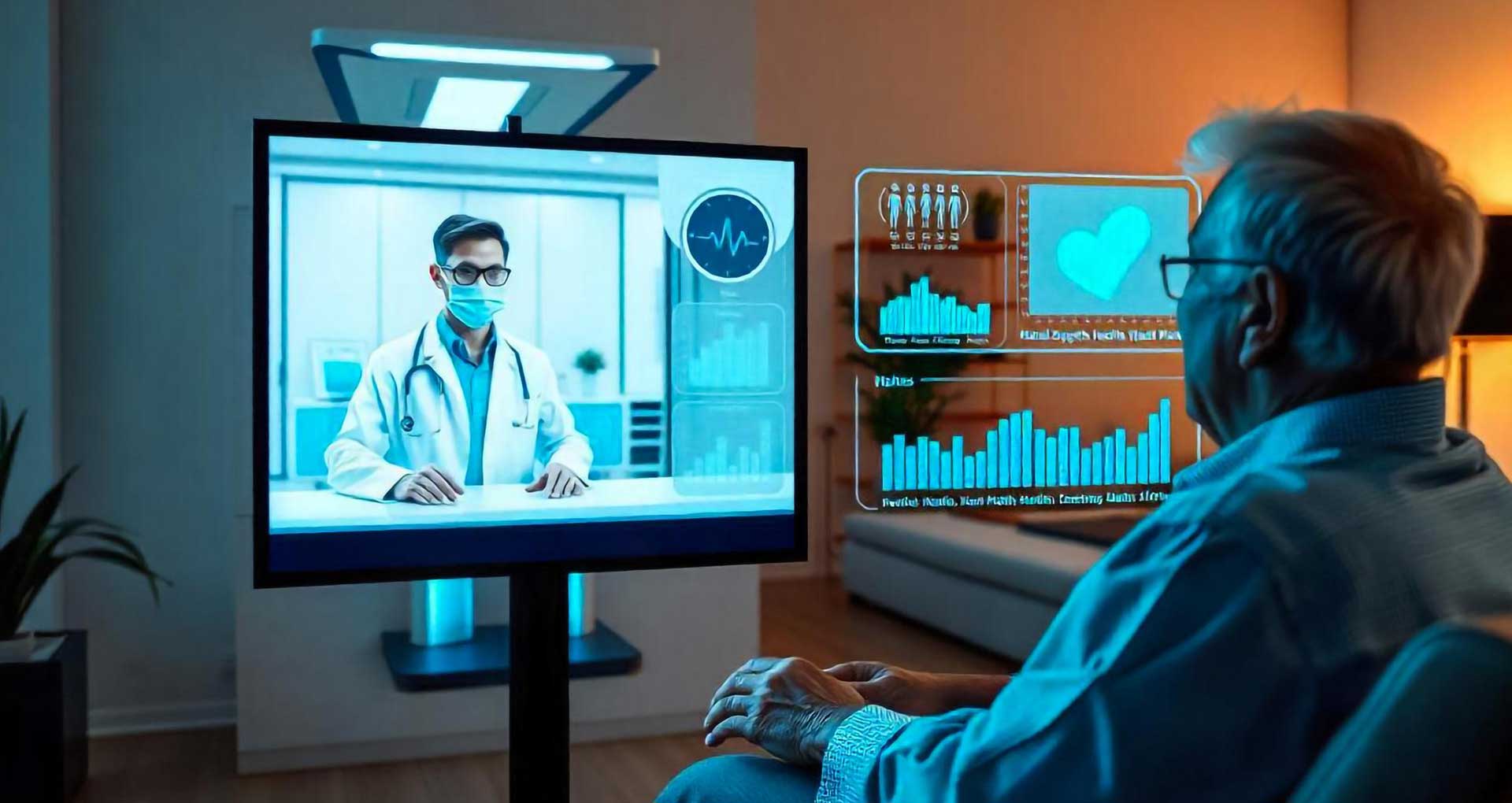
Healthcare is no longer confined to hospitals and clinics; it’s moving into patients’ homes. Remote Patient Monitoring is revolutionizing the way clinicians track, manage, and treat chronic conditions. Using connected devices, mobile apps, and real-time data sharing, RPM allows physicians to monitor the health of their patients from a distance and react in a pro-active manner-saving both time and costs, even saving lives.
According to Stalwart Research Insights, the global Remote Patient Monitoring market is projected to surpass $70 billion by 2030, driven by rapid growth in telehealth and wearable technology, coupled with the increasing aging population.
What is Remote Patient Monitoring?
RPM involves the collection of medical and health data from individuals from one location, using digital technologies, and the secure transfer of that information to healthcare providers in another location.
RPM utilizes wearable devices, IoT sensors, and mobile health platforms to monitor key health metrics continuously, such as:
• Heart rate and blood pressure
• Glucose levels
• Oxygen saturation (SpO₂)
• Weight and physical activity
• Sleep patterns
This real-time insight into health allows doctors to make data-driven decisions, recognize early warning signs, and take timely actions before a patient gets worse.
How Remote Patient Monitoring Works
1. Data Collection: Wearable sensors or connected medical devices record patient vital signs.
2. Data is safely transmitted through the cloud to healthcare systems.
3. Analysis: AI-driven platforms analyze patterns for anomalies.
4. Intervention includes physicians reviewing reports and engaging patients via teleconsultations or alerts.
RPM ensures that patients receive continuous, personalized care without having to make frequent visits to the hospital; this improves convenience and compliance.
Market Trends & Growth Drivers
Key trends that are driving the growth of RPM include the following:
• Digital Transformation in Healthcare: Integrating mobile apps and smart devices for real-time monitoring.
• Rising prevalence of chronic diseases: Diabetes, hypertension, and cardiac disorders are contributing to demand for continuous care solutions.
• Aging global population: application in long-term monitoring of elderly patients.
• Shifting to value-based care: hospitals and insurers are focused on prevention rather than treatment.
• Improvements in data security: Blockchain and AI ensure safer, more reliable patient data management.
Key market participants-Philips Healthcare, Medtronic, GE HealthCare, Honeywell, Dexcom, and ResMed-are leading the way in developing next-generation RPM solutions, with embedded analytics and cloud-based care platforms.
Key Benefits of Remote Patient Monitoring
• Proactive Care: Early detection of anomalies, thereby avoiding hospital readmission.
• Improved Outcomes: Improves patient engagement and adherence.
• Cost Efficiency: Avoids unnecessary hospital admissions and saves on traveling expenses to hospitals.
• Convenience: Patients manage health from the comfort of their homes.
• Scalability: RPM systems can serve large patient populations efficiently.
Data collected through RPM allows healthcare providers to make more informed decisions and to create individualized treatment pathways for patients.
Challenges to Overcome
While the advantages are very evident, there are still challenges facing the implementation of RPM:
Data integration with legacy systems
Reimbursement policies across regions
Patient data privacy and cybersecurity
Training needs for clinicians and patients
However, the challenges of RPM are gradually being overcome through continuous innovation and supporting regulations, making RPM an integral part of digital healthcare.
The Future Outlook: Remote Care by 2030
By 2030, AI-powered RPM systems will evolve into predictive health platforms that will anticipate complications before they occur. Integration with digital therapeutics, telemedicine, and virtual hospitals will ensure that remote care is holistic, seamless, and scalable.
As the world’s healthcare system moves to implement this model of care, Remote Patient Monitoring will become less about a choice and more about an imperative.