
Market Overview
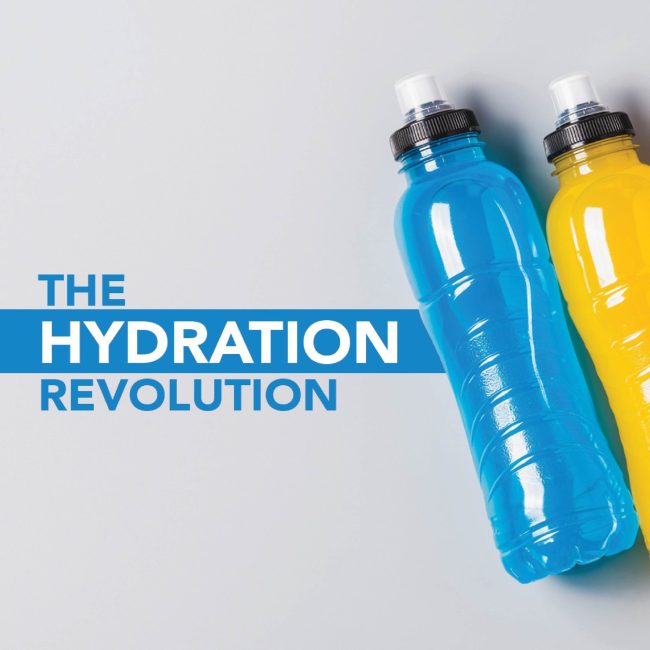
The hydration wellness drinks category — spanning electrolyte beverages, enhanced waters, powdered rehydration mixes, coconut-water-based drinks and functional RTDs — is expanding rapidly as consumers shift from sugary sodas to function-first beverages that support everyday health, recovery and performance. Industry forecasts place the broader electrolyte/functional hydration market in the tens of billions: several market reports estimate global market sizes in the mid-$30B range (2024/2025 base) with multi-year growth projections toward the $60–70B range by the early-to-mid 2030s (varying by segment and source).
Key Market Trends
- Everyday hydration vs. sport-only positioning — Brands are repositioning products for daily wellness (work, travel, hangovers, heatwaves), not just athletes; powder sachets and low-sugar formulations enable wider use occasions.
- Clean labels & functional ingredients — Demand for natural electrolytes, added vitamins, adaptogens, and pre/probiotics is rising; consumers expect minimal sugar and transparent ingredient lists.
- Format innovation — Growth in single-serve RTDs, hydration powders, and stick sachets provides convenience and lower transport costs (powders), expanding retail and DTC reach.
- Influencer & viral brand growth — New entrants (and celebrity/influencer-backed launches) can scale rapidly through social media, accelerating category dynamics and pressuring incumbents to innovate. Prime and other viral entrants have shown how social marketing can create big market share quickly.
- Premiumization & channel diversification — Retail, e-commerce, subscription models and partnerships (festivals, sports teams) are critical; premium, low-sugar options command higher margins.
Market Share & Major Players
The category remains concentrated among legacy beverage giants and fast-growing challengers. PepsiCo’s Gatorade continues to hold a dominant position in sports/hydration segments in core markets, while Coca-Cola (Powerade, BodyArmor) and major CPGs expand functional lines. At the same time, challenger brands and powders (Liquid I.V., Nuun, Liquid I.V. now under large CPG portfolios) are capturing everyday-hydration moments and channel share. These incumbents and challengers together shape a market where science, branding and distribution matter equally.
Growth Potential & Drivers
- Health awareness & active lifestyles — Rising participation in fitness, outdoor work and climate-related heat exposure push baseline demand.
- Global expansion — Emerging markets (India, SE Asia, Latin America) show higher per-capita growth potential as distribution, refrigeration and modern retail expand.
- Product line expansion — Fortified hydration with vitamins, immunity ingredients, gut-health components and tailored formulations (kids, seniors) create adjacent revenue streams.
Report Scope
A practical market report for the hydration wellness drinks category should include:
• Market size (historical 2019–2024) and forecasts to 2030/2035 by segment (RTD, powder, coconut water, electrolyte mixes).
• Regional breakdown (North America, Europe, APAC, LATAM, MEA) and channel analysis (retail, e-commerce, foodservice).
• Competitive landscape: market shares, brand positioning, recent M&A, and newcomer case studies (viral/social brands).
• Consumer trends & ingredient innovation (sugar reduction, natural electrolytes, probiotics).
• Opportunities & risks: regulatory issues, supply-chain constraints for ingredients, and margin impacts from premiumization.