
Introduction
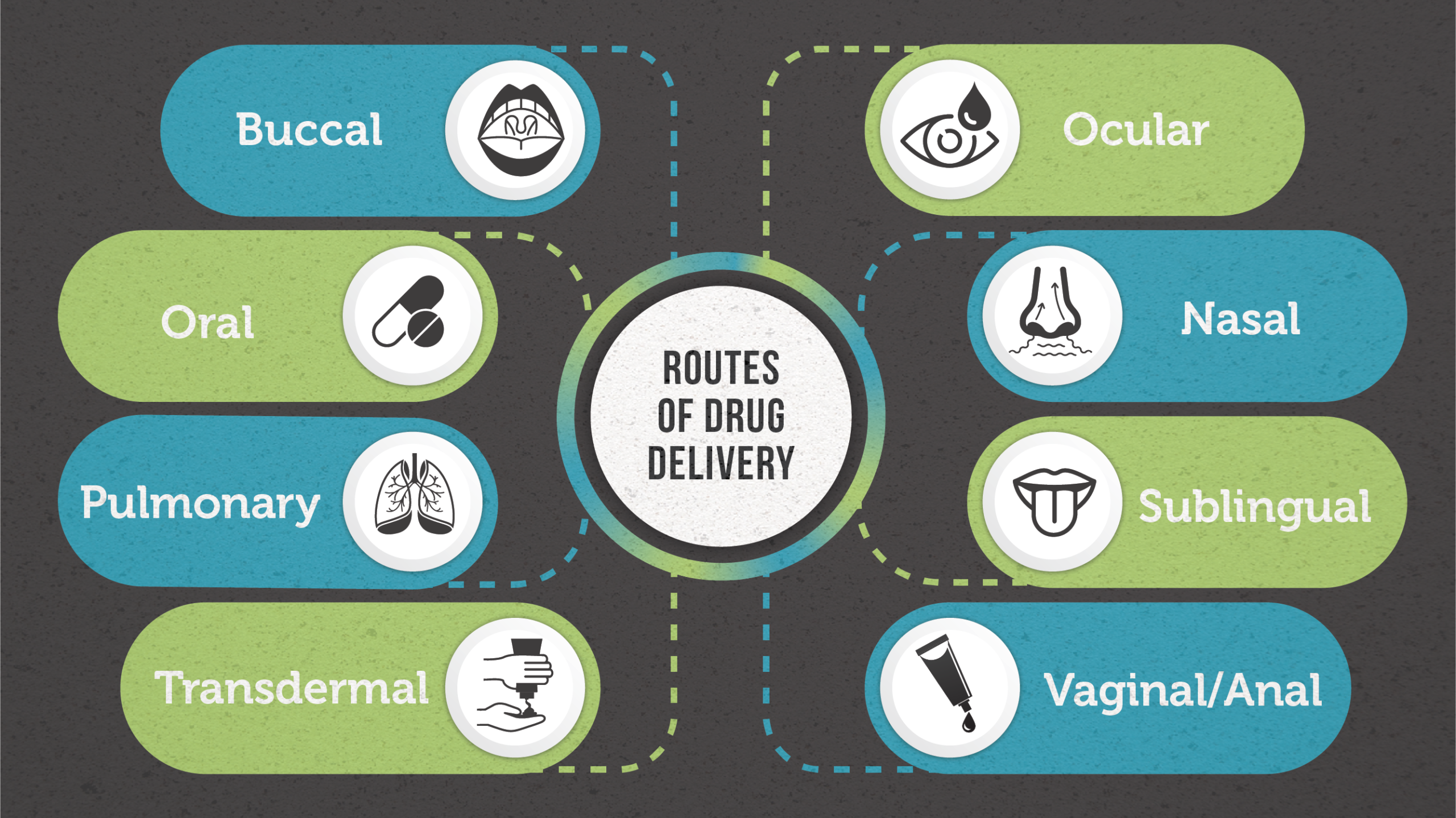
Intranasal drug delivery devices have emerged as one of the fastest-growing segments in modern therapeutics due to their ability to deliver medications rapidly, non-invasively, and with high patient compliance. By bypassing first-pass metabolism and offering direct access to systemic and central nervous system pathways, intranasal devices play a crucial role in treating conditions such as migraines, allergic rhinitis, pain, seizures, and emergency overdose situations. Rising adoption of self-administration devices, advancements in formulation science, and growing preference for needle-free drug delivery continue to propel demand for innovative, easy-to-use intranasal platforms across both clinical and home-care environments.
Market Overview
The global intranasal drug delivery devices market is expanding significantly as pharmaceutical companies increasingly adopt nasal routes to improve drug bioavailability, patient experience, and therapeutic outcomes. The market includes nasal sprays, powders, nebulizers, and atomizers designed to deliver small molecules, peptides, and biologics. Growth is driven by increasing prevalence of chronic respiratory diseases, neurological disorders, and rising demand for rapid-onset treatments. Emergency-use intranasal devices—such as naloxone for opioid overdose and midazolam for acute seizures—have captured high attention from regulators and healthcare systems. Additionally, advancements in preservative-free formulations and metered-dose mechanisms are enhancing product safety and accuracy. Emerging markets in Asia-Pacific and Latin America show rising adoption due to improved healthcare access, supportive government initiatives, and expanding pharmaceutical manufacturing capabilities.
Key Market Trends
Several transformative trends are shaping the future of the intranasal drug delivery devices industry. First, needle-free administration is gaining prominence as patients and clinicians seek safer, painless, and more convenient delivery systems, especially for chronic therapies. Digital health integration—including smart nasal devices equipped with sensors for dose tracking and adherence monitoring—is expanding rapidly, particularly in asthma, migraine, and allergy management. Another major trend is the growing interest in nose-to-brain drug delivery, enabling treatment of neurological disorders such as Alzheimer’s, Parkinson’s, depression, epilepsy, and acute pain, where traditional oral routes have limited efficacy.
The industry is also witnessing innovation in powder-based and mucoadhesive formulations, which enhance drug retention and absorption. Pharma-device partnerships are increasing as biologics and peptides require more specialized intranasal delivery platforms. Regulatory agencies are encouraging the development of over-the-counter (OTC) intranasal therapies, especially for allergies, cold management, and emergency medications. Moreover, expanding investments in R&D for therapeutic vaccines, hormone therapies, and biosimilars delivered intranasally reflect the broadening scope and commercial potential of this route.
Market Share & Key Players
The intranasal drug delivery devices market is moderately fragmented, with global medical-device manufacturers, specialty pharmaceutical companies, and emerging innovators contributing to competitive growth. Market share is primarily driven by product performance, device safety, dose precision, and strong regulatory approvals. North America and Europe currently dominate the market due to advanced healthcare infrastructures, strong reimbursement systems, and high prevalence of chronic respiratory and neurological disorders.
Key players focus on developing user-friendly, portable, leak-proof, and metered-dose devices to differentiate themselves. Strategic collaborations between pharma companies and device developers are accelerating new product launches. Key companies operating in the market include AptarGroup, BD (Becton Dickinson), Teleflex, Catalent, Kurve Technology, OptiNose, Nemera, and Bespak (Recipharm). Many of these players invest heavily in innovation pipelines, regulatory approvals, and geographic expansion to strengthen their competitive position.
Challenges & Future Opportunities
Despite strong growth, the intranasal drug delivery devices industry faces challenges including formulation instability, limited dose volumes, nasal irritation risks, and variability in patient anatomy affecting drug absorption. Regulatory complexities, cost of device customization, and the need for extensive clinical evidence for nose-to-brain delivery also remain hurdles.
However, significant opportunities lie ahead. Advancements in nanoparticle-based formulations, mucoadhesive carriers, and smart connected devices are expected to improve therapeutic efficiency and patient adherence. Growing demand for rapid-onset treatments, increasing focus on home-based care, and expansion of OTC intranasal medications offer lucrative growth avenues. Additionally, the shift toward biologics and peptide therapies opens new possibilities for next-generation intranasal delivery systems, making the market highly promising for innovation and investment.