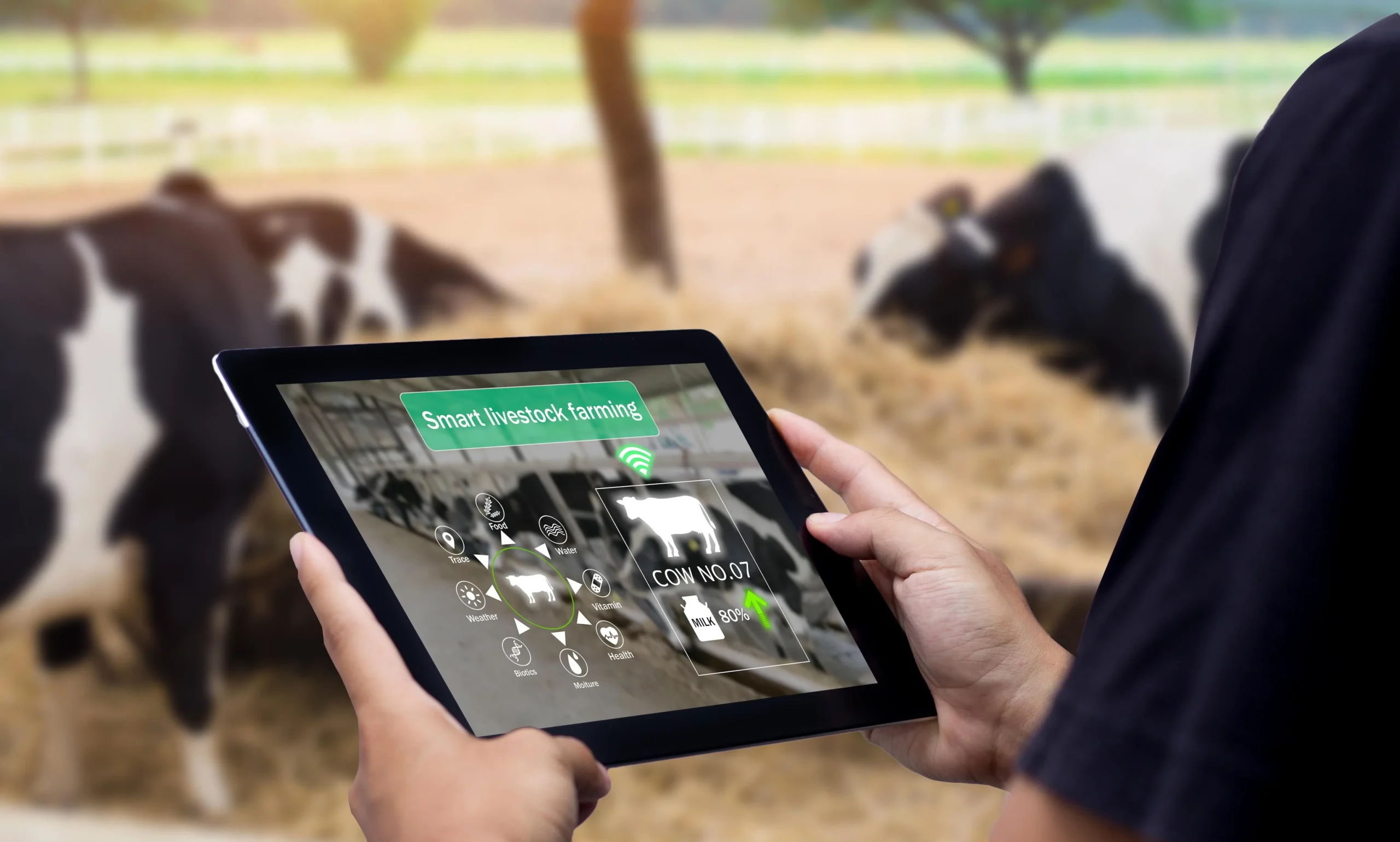
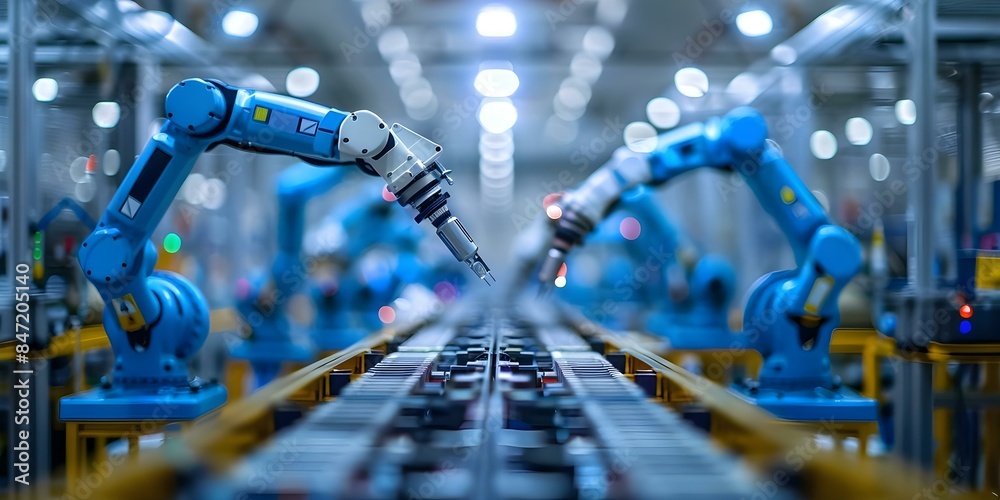
The global Factory Automation industry is undergoing a structural shift toward fully connected, AI-optimized and autonomous manufacturing ecosystems. According to the latest strategic industry outlook by Stalwart Research Insights, the global factory automation market valued at approximately USD 312.8 billion in 2025 is projected to reach USD 768.0 billion by 2035, expanding at a robust Compound Annual Growth Rate (CAGR) of 9.4 % from 2025 to 2035, driven by broad Industry 4.0 adoption across sectors including automotive, electronics and pharmaceuticals.
The Intelligence Leap: From Automated to Autonomous Manufacturing:
The hallmark of the 2026 factory automation market is the evolution from standalone machines to fully integrated smart manufacturing platforms. Manufacturers are rapidly embedding:
- AI-enabled robotics for precision operations
- Industrial IoT platforms for real-time operational insight
- Digital twin simulations for performance optimization
- Cloud and edge computing analytics to enhance uptime and throughput
These technologies are reshaping factory floors enabling remote monitoring, predictive maintenance, and automated decision-making across production lines.
Download Sample PDF Copy of this Report to understand structure of the complete report :
Segment Leaders: Robotics & PLCs at the Core:
Industrial robots command approximately 46 % of the market share, underscoring their critical role in improving operational efficiency and production quality. Simultaneously, Programmable Logic Controllers (PLCs) are anticipated to be among the fastest-growing segments, fueled by demand for flexible, smart production systems that can adapt quickly to changing output needs.
Industrial Applications: Automation Across Sectors:
Factory automation adoption is strongest in industries where precision, speed, and uptime directly affect competitiveness:
- Automotive manufacturing – high-speed robotics and automated assembly
- Electronics production – micro-precision controls and AI defect detection
- Food & beverage processing – hygienic automated lines and quality control
Expansion in these verticals reflects a broader industrial push to reduce labor dependency while improving product consistency and operational resilience.
Regional Outlook: Asia-Pacific Leads With Rapid Digitalization:
While North America and Europe remain significant markets backed by strong digital transformation programs Asia-Pacific accounts for nearly 44 % of the global automation market due to rapid industrialization, manufacturing expansion, and strong government support for smart factory initiatives.
Competitive Landscape: Strategic Innovation and Integration:
Key players in the factory automation ecosystem are emphasizing software-driven control systems, robotics integration, and data analytics services. Prominent industry competitors include:
- ABB Ltd.
- Bosch Rexroth AG
- Emerson Electric Co.
- Fanuc Corp.
- Mitsubishi Electric Corp.
These companies are investing heavily in AI-powered control systems, autonomous robotics, and software platforms that help manufacturers optimize entire production ecosystems rather than isolated machines.
Challenges: Investment & Integration Complexity:
Despite strong growth prospects, the industry faces barriers such as:
- High initial capital investment for advanced automation technologies
- Integration challenges when modernizing legacy systems
- Shortage of skilled workforce capable of managing smart systems
These factors currently limit deployment in small and medium enterprises but are seeing mitigation through modular and scalable automation solutions.
Strategic Outlook Toward 2035:
By 2035, the factory automation industry will increasingly reflect fully autonomous, data-connected production environments integrating robotics, AI, digital twins, and IoT analytics to deliver unmatched efficiency and adaptability.
Manufacturers that embrace intelligent automation ecosystems, predictive maintenance frameworks, and real-time operational intelligence will secure a strategic competitive edge in an increasingly connected and optimized production future.
Related Reports:
Digital Twins Industry
Video Surveillance Industry
Data Center Liquid Cooling Industry
Unlock the Future of Factory Automation industry : Trends and Strategies to 2036
Discover the latest formulation innovations from advanced sensor integrations to AI-driven predictive analytics that are reshaping industry standards.
For an in-depth analysis of evolving trends, competitive landscapes, and a comprehensive strategic outlook through 2036, visit the official report page here.
Gain actionable insights to future-proof your operations and seize emerging opportunities.