According to the latest Strategic Industry Outlook by Stalwart Research Insights, the global neurophysiology platforms market valued at USD 474.6 million in 2025 is projected to reach USD 866.1 million by 2035, expanding at a steady CAGR of 6.2 %. This growth reflects both rising prevalence of neurological disorders and expanding adoption of advanced diagnostic and monitoring technologies.
From Traditional Systems to AI-Enabled, Multimodal Diagnostics:
The market is shifting from conventional electrophysiological systems toward integrated, multimodal platforms that combine neuroimaging, cloud analytics, and machine learning. This evolution is driven by investments in personalized neurological care, demand for early detection of conditions such as epilepsy, Parkinson’s, and Alzheimer’s, and the integration of wearable and tele-neurophysiology solutions for remote monitoring.
Download Sample PDF Copy of this Report to understand structure of the complete report :
The Intelligence Leap: Predictive Analytics, AI & Cloud-Based Platforms:
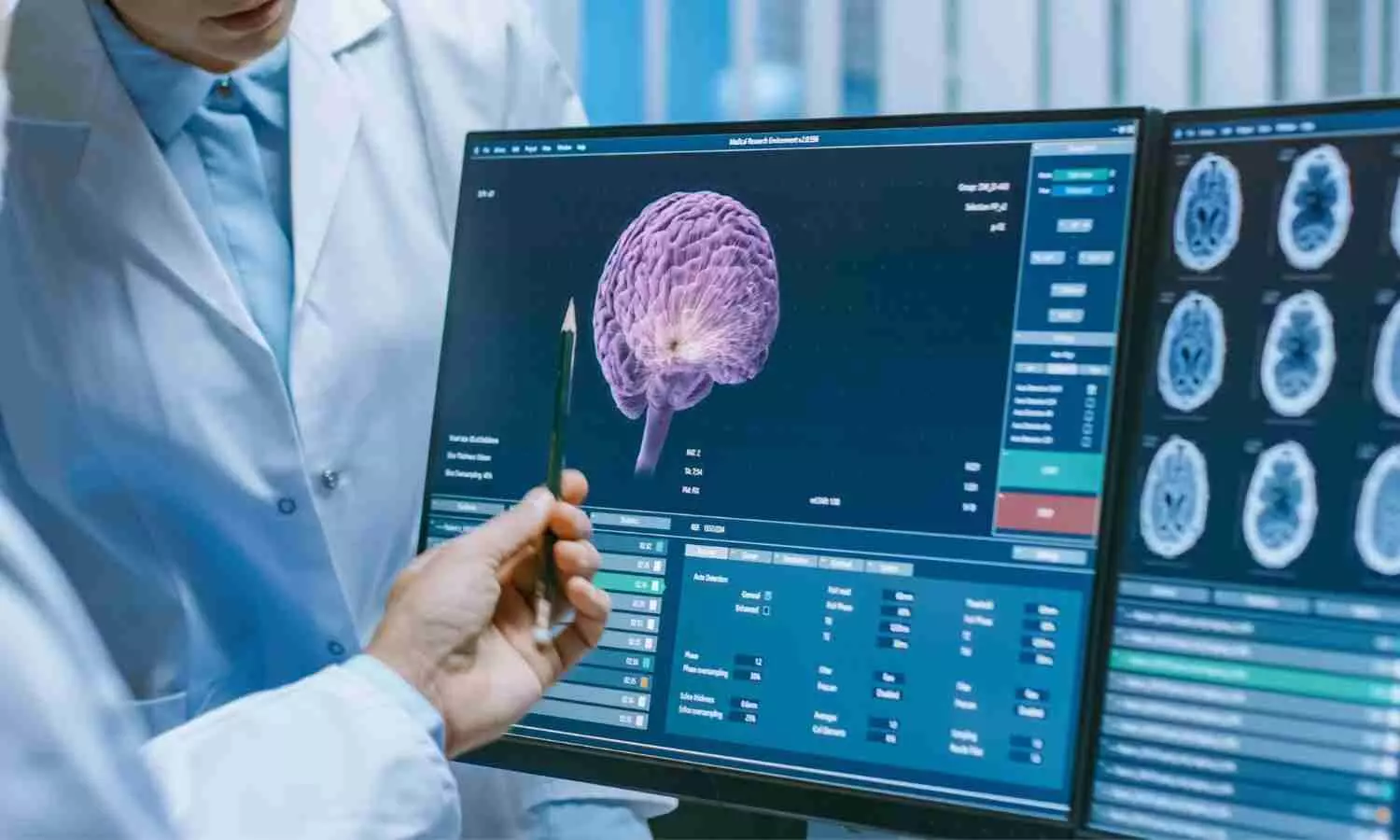
2026 marks a transition point where neurophysiology platforms are becoming deeply AI-augmented. Today’s systems go beyond signal capture they use predictive analytics and real-time cloud computation to interpret complex neural data, enabling faster diagnosis, smarter clinical workflows, and continuous patient monitoring even outside clinical settings.
Segment Leadership and Innovation:
Platform Type – Electrical & Hybrid Systems Lead:
Electrical platforms account for about 40 % of the market due to their cost-effectiveness and ability to capture rapid neural signals. Meanwhile, hybrid/multimodal platforms are the fastest-growing segment, offering synchronized electrical and imaging data that enhances cognitive neuroscience and behavioral research.
Wearables & Tele-Neurophysiology:
Wearable EEG devices and cloud-based analytics are emerging as critical tools for long-term and outpatient neural assessment, improving accessibility and patient comfort through connected monitoring and remote data interpretation.
Application Demand: Clinical & Research Expansion:
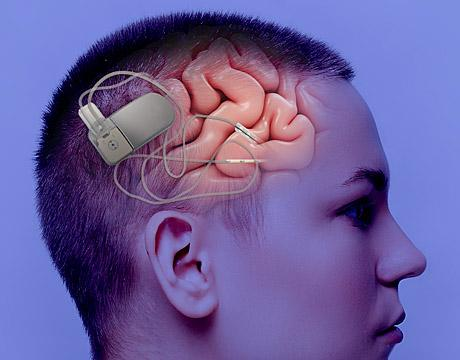
The demand for neurophysiology platforms is broadening across clinical diagnostics, central nervous system drug discovery, neurodegenerative disease modeling, psychiatric and cognitive research, and brain-machine interfaces — reflecting the rising emphasis on early, accurate neurological assessment and data-driven research.
Regional Outlook: North America Leads, Asia-Pacific Accelerates:
North America (38 % share): Strong healthcare infrastructure and early adoption of advanced neurodiagnostic systems sustain leadership.
Asia-Pacific: Rapid healthcare modernization, digital technology adoption (including AI), and growing neurological health awareness make this the fastest-growing region over the decade.
Regulatory Drivers & Policy Support:
Medical device regulations like the EU Medical Device Regulation (EU MDR 2017/745) ensure safety and quality for devices such as EEG, EMG, and related systems, building trust in advanced platforms and fostering innovation. Government initiatives and strategic investments in non-invasive brain-computer interfaces are further accelerating adoption and R&D participation globally.
Competitive Landscape: A Shift to Integrated Solution Providers:
The market is moderately consolidated, with companies focusing on software-enabled, data-rich platforms that support real-time analytics and remote collaboration. Leading players include Aptima, Brain Products, Brain Vision, Natus (NeuroWorks), Neuralink, Neuroelectrics, NeuroCatch, Quiver Bioscience, Philips Healthcare, Nihon Kohden and others — all innovating toward intelligent neurophysiology ecosystems.
Opportunities & Challenges:
Opportunities:
Significant growth arises from the need for early diagnosis and continuous monitoring of neurological conditions, expansion of home-based monitoring technologies, and integration with brain-machine interfaces and adaptive therapies.
Challenges:
High costs, data complexity, cybersecurity concerns, and limited access in rural areas present adoption barriers. However, advances in AI, cloud integration, and wearable technologies are expected to lower these hurdles over time.
Related Reports:
Mountain Bicycle Helmets Industry
Radioactive Material Logistics Industry
Smart Electric Bicycle Industry
Unlock the Future of neurophysiology platforms industry : Trends and Strategies to 2036
Discover the latest formulation innovations from advanced sensor integrations to AI-driven predictive analytics that are reshaping industry standards.
For an in-depth analysis of evolving trends, competitive landscapes, and a comprehensive strategic outlook through 2036, visit the official report page here.
Gain actionable insights to future-proof your operations and seize emerging opportunities.