Sector Insights:
The global offshore decommissioning market captured rapid growth due to shifting preferences for safe dismantling which provide support to environmental restoration and lifecycle management. According to the latest Stalwart Research Insights strategic industry outlook, the globally market is anticipated to reach approximately USD 6.7 billion in 2025 and it is projected to reach nearly USD 14.9 billion by 2035 with expanding at a steady CAGR of around 8.3%.
Replacement from traditional long-term production operations process toward which is responsible for end-of-life asset management is becoming a critical component of the offshore energy industry. Aging infrastructure with stricter environmental regulations supports increasing liabilities associated with abandoned wells are accelerating the demand for safe platform dismantling and well plugging operations. Growth is expected to surpass USD 7.9 billion by 2027 because of increasing offshore field maturity across major producing regions such as North Sea, Gulf of Mexico, and Southeast Asia. Expanding large scale of investments in subsea infrastructure removal, platform dismantling and well plugging activities are supporting development across offshore oil and gas operators.
Segment Analysis:
Well Plugging & Abandonment (Largest Share):
The well plugging and abandonment segment projected rapid growth due to it perform critical role in permanently sealing inactive wells and preventing environmental contamination.
- Increasing demand number of aging offshore wells reaching end of production cycles.
- Government strict environmental regulations which governing safe well closure procedures.
- Increasing adoption of advanced rigless abandonment technologies.
- Growing need for long lasting monitoring and liability management.
Well plugging and abandonment activities showing high demand because the complexity in technical and stricter safety requirements associated with permanently isolating hydrocarbon reservoirs.
Platform Removal and Subsea Infrastructure (Second Largest Segment):
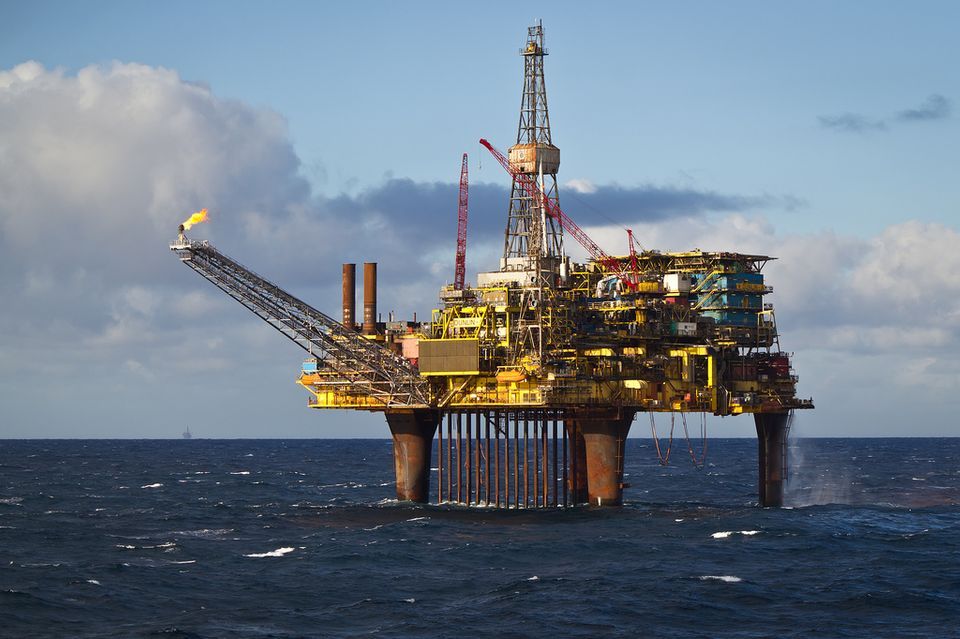
Platform dismantling and subsea infrastructure removal shows high demand due to important as offshore assets reach retirement stages.
- Removal of topside structures and offshore platform jackets.
- Subsea pipelines decommissioning, conductors, and manifolds.
- Rising demand for heavy-lift vessels and subsea dismantling equipment.
- Recycling of offshore steel and industrial materials supporting circular economy initiatives.
Regional Outlook:
North America Leading Market Activity
North America represents one of the growth leading regions due to the increasing presence of mature offshore oilfields and a large inventory of aging offshore platforms in the Gulf of Mexico.
Asia-Pacific is expected to holding largest share during the forecast period.
Growth factors include:
- Large number of offshore platforms exceeding their operational lifespan.
- Strong regulatory frameworks governing offshore asset retirement.
- Increasing financial provisions allocated for decommissioning liabilities.
- Growing adoption of advanced offshore engineering technologies.
Europe is witnessing shareholding offshore decommissioning activity which particularly across the North Sea basin where several oil and gas fields have entered late-life production stages.
Regulatory & Innovation Drivers: Environmental Compliance and Offshore Safety Regulations
Environmental regulations and offshore safety policies plays role for influencing global decommissioning strategies.
- Mandatory beneficial for removal requirements of inactive offshore platforms.
- Environmental protection standards for marine ecosystems.
- Liability management frameworks for abandoned oil and gas wells.
- Increasing focus on recycling and sustainable disposal of offshore materials.
Several regions government provide energy transition initiatives for ac offshore infrastructure retirement and also governments emphasize to sustainable energy development and environmental protection.
Industry Landscape:
The major companies are focusing to strong collaborations with offshore engineering companies, oilfield service providers and specialized marine contractors responsible for complex dismantling operations.
Key industry participants include:
- Aker Solutions
- TechnipFMC
- Baker Hughes
- John Wood Group
- Petrofac
Industry players are emphasising to building rapid advanced engineering capabilities, subsea robotics and heavy-lift offshore logistics to efficiently manage large-scale decommissioning programs.
Industry Brief:
The offshore decommissioning sector is entering a long-term expansion phase supported by aging offshore infrastructure and increasing environmental accountability across the global energy industry.
- Rising inventory of inactive offshore oil and gas platforms.
- Increasing regulatory oversight on offshore environmental safety.
- Expansion of offshore dismantling vessel fleets.
- Growing focus on sustainable disposal and recycling of offshore structures.
Market Scenario Analysis:
The offshore decommissioning market outlook reflects stable long-term growth driven by structural changes within the offshore energy industry.
- Increasing number of mature offshore fields reaching end-of-life stages.
- Rising engineering complexity in deepwater decommissioning operations.
- Strong regulatory enforcement across major offshore producing regions.
- Expansion of digital monitoring and subsea robotics technologies.
Comprehensive Market Overview:
The offshore decommissioning market projected balanced growth and it is possible only because offshore asset retirement and environmental sustainability initiatives.
- Increasing retirement of traditional offshore platforms globally.
- Expansion of engineering capabilities for complex offshore dismantling.
- Growing investment in subsea infrastructure removal programs.
- Rising adoption of recycling strategies for offshore materials.
Sector Deep Dive:
Recent technological advancements which improving energy efficiency and safety across offshore decommissioning projects worldwide.
- Expanding deployment of remotely operated vehicles for subsea dismantling.
- Integration of digital monitoring systems for offshore assets.
- High adoption demand of heavy-lift vessels for platform removal operations.
- Increasing development of advanced subsea cutting and dismantling technologies.
- High requirement for robotics to reduce operational risks in offshore environments.