
Rising Geopolitical Tensions Disrupt Global Supply Chains:
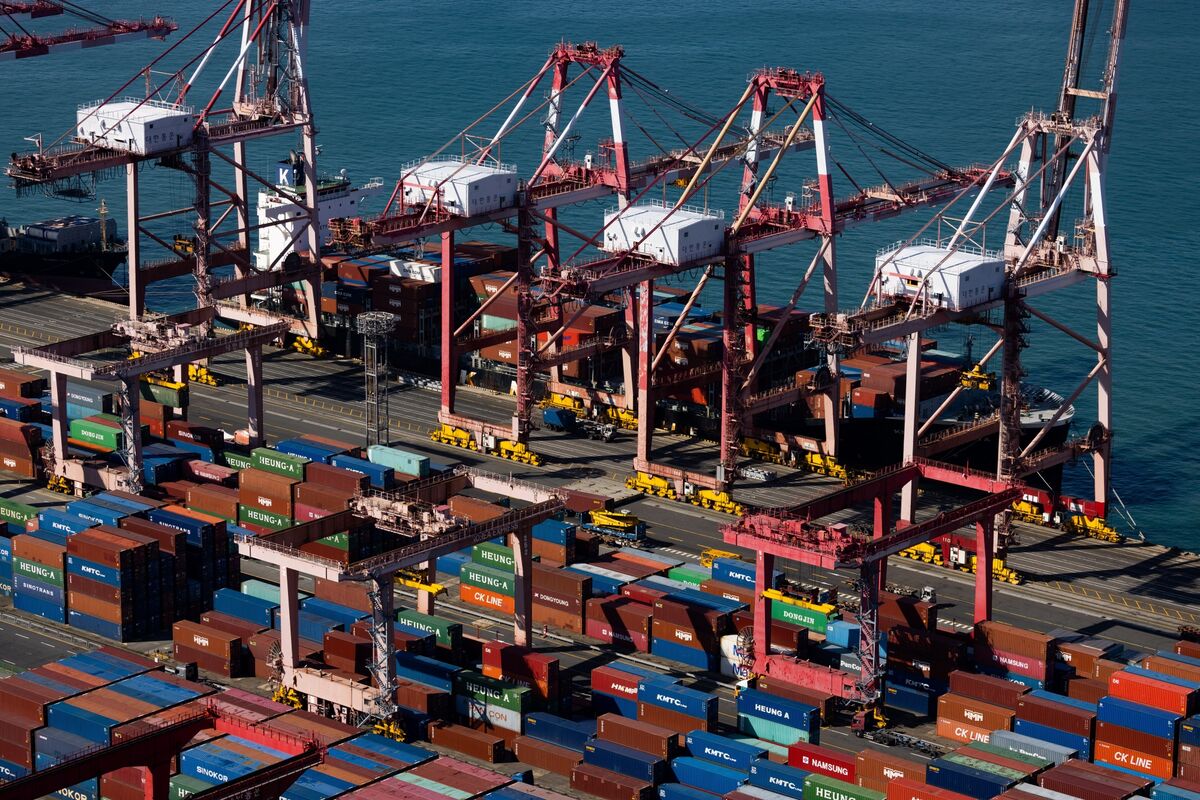
The ongoing geopolitical tensions in the middle east war are starting to generate ripple effects across global supply chains with South Korea is one of emerging supplier countries for metal facing the disruptions. South Korea is one of the world’s largest manufacturing exporters heavily depends on uninterrupted access to imported raw materials particularly industrial metals. During this world shipping disruptions conflicts many countries closed their longer maritime routes and rising freight costs are now creating pressure on industries that rely on stable global logistics networks.
The most important maritime routes are blocked such as Strait of Hormuz is one of the critical oil shipping lane and Red Sea shipping corridor to connecting Asian manufacturing economies with suppliers in the Middle East, Africa, and Europe. Recently increasing security concerns within waters corridors which impacting on global shipping companies decided to reroute vessels away from traditional routes event leading to longer transit times and increased shipping costs.
Metals Supply Chain Under Pressure:
South Korea imports large volumes of industrial metals from across the globe such as aluminum, copper, nickel, and specialty alloys used in heavy manufacturing. These materials form the foundation of the country’s industrial ecosystem which supporting multiple sectors such as shipbuilding, automotive production, electronics manufacturing, and semiconductor equipment fabrication.
This disruptions in maritime logistics have facing slowed or we can say it’s totally closed because many countries are attacking on loaded Shipps in the ocean so companies have bearded big loses so they blocked or closed logistics. Its impacting on delayed arrival of these essential materials which reflecting creating uncertainty for manufacturers that operate under tightly optimized supply chains. Unlike resource-rich economies, South Korea relies almost entirely on imported metals which makes the country particularly vulnerable to shipping bottlenecks and supply shortages.
Impact on Key Industrial Sectors:
The shipbuilding industry is one of the sectors facing the most immediate challenges. South Korea is home to some of the world’s largest shipbuilders which also producing container ships, LNG carriers, and oil tankers it all totally collapsed because shortage of raw material. Ship construction requires large quantities of steel plates, aluminum components and copper wiring systems which not available in south Korea so they need to import it other country. Delays in the delivery of these materials can disrupt production timelines and potentially delay vessel deliveries to international clients and impacting on country economy create financial problem.
The automotive sector is also exposed to metal supply volatility. Production of modern vehicles are totally depending on lightweight metals such as aluminum to improve fuel efficiency and meet environmental regulations. This interruption directly impacting on raising raw material costs and logistical delays are increasing production expenses for Korean automakers, potentially affecting profitability and export competitiveness.
Semiconductor Ecosystem and Equipment Manufacturing:
South Korea’s semiconductor industry which plays a crucial role in the global technology supply chain could also feel indirect impacts. While semiconductor chips themselves are primarily produced from silicon wafers and the advanced manufacturing equipment used in fabrication facilities relies heavily on high-precision metal components.
If metal supply disruptions persist equipment manufacturing timelines may slow which potentially affecting semiconductor capacity expansion projects. Given South Korea’s global leadership in memory chip production, any disruption to its semiconductor ecosystem could have wider implications for the global electronics industry.
Freight Costs and Logistics Challenge:
Another major challenge arising from the Middle East conflict is the sharp increase in shipping costs due to many companies are blocked their logistics because US, Israeli targeting many traditional supply routes. The maritime insurance premiums have been risen significantly due to dominant logistic provider facing security risks in the region. In addition, vessels rerouted around the Cape of Good Hope instead of passing through traditional trade corridors are adding up to two weeks to shipping schedules.
These changes not only increase freight expenses but also create uncertainty like not sure to traditional route are safe due to companies rely on predictable delivery timelines. Korean manufacturers are now reassessing their inventory strategies and exploring alternative sourcing options to mitigate these risks.
Understanding the Impact and Strategic Response:
This analysis helps industry stakeholders to better understand how geopolitical disruptions can influence complex global supply chains. By examining the direct connection between shipping routes, raw material availability and manufacturing output how to impacting on businesses and policymakers can develop their strategies to beneficial for reduce vulnerability. Greater supply chain diversification, strategic mineral reserves and stronger international trade partnerships may help South Korea navigate ongoing uncertainty while maintaining industrial stability.