
Sector Insights:
The global home hydroponics market is moving towards growth because increasing adaption rate from households’ sector for soil-less indoor farming solutions to grow fresh vegetables, herbs, and leafy greens in limited residential spaces. According to the latest Stalwart Research Insights strategic industry outlook, the market held USD 1.9 billion in 2025 and is projected to reach nearly USD 5.2 billion by 2035 with expanding at a CAGR of around 10.5% during the forecast period. The transition from conventional home gardening toward adapting controlled indoor food production systems is allowing consumers to cultivate pesticide-free crops with improved productivity and efficient water utilization.
Globally market value is expected to surpass USD 2.3 billion in 2027 due to increasing consumer awareness regarding to the food safety and shifting preferences towards sustainability and reliable access to fresh produce. Rising availability of plug-and-play hydroponic garden kits, vertical growing towers, and mobile based enabled monitoring systems is boosting product adoption among urban households and hobby gardeners.
Segment Analysis:
Vegetables & Herbs Cultivation (Largest Share):
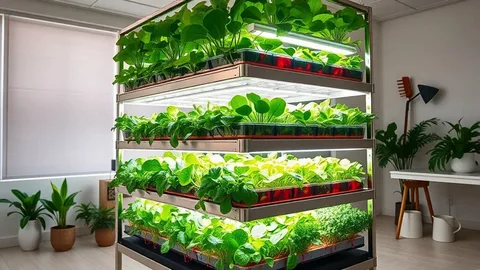
The vegetables and herbs cultivation segment leading growth due to consumers primarily use indoor hydroponic systems to grow edible crops such as lettuce, basil, spinach, mint, and microgreens.
• Increasing demand for fresh pesticide-free vegetables grown at home.
• Growing interest in nutrient-rich leafy greens and culinary herbs.
• Rising health awareness which encouraging consumption of fresh produce.
• Higher yield efficiency compared with traditional soil gardening.
Consumers are increasingly their adoption preferences for hydroponic systems to produce herbs and vegetables throughout the year ensuring consistent supply of fresh ingredients for household consumption.
Smart Indoor Gardening Equipment Expansion (Second Largest Segment):
The indoor hydroponic equipment segment continuously creating broad marketplace.
- Increasing adoption of less energy required LED horticulture lighting.
- Increasing automated nutrient dosing and water circulation systems.
- Integration of smart sensors for plant growth monitoring.
- Development of mobile applications enabling remote crop management.
These technologies simplify related to hydroponic cultivation and allow beginner users to successfully grow plants indoors without requiring agricultural expertise beneficial for less investment required.
Regional Outlook:
North America Leading Innovation While Asia-Pacific Showing Rapid Growth
North America anticipated rapid growth through the captured highest share due to increasing consumer awareness regarding organic food production and sustainable lifestyle practices. The region benefits from high penetration of smart home devices and indoor gardening solutions.
Growth factors include:
- Increasing consumer demand for organic and locally grown food.
- Rising popularity of indoor kitchen gardening.
- Expansion of urban agriculture communities.
- Strong e-commerce distribution channels for hydroponic equipment.
Asia-Pacific is projected to register the fastest growth during the forecast period due to rapid urbanization and increasing demand for alternative food production methods within densely populated cities.
Regulatory & Innovation Drivers: Sustainability and Urban Food Security at the Core
Environmental sustainability and food security concerns are playing a major role to driving adoption of hydroponic cultivation technologies.
• Increasing awareness regarding chemical-free food production
• Growing concerns about climate-driven agricultural disruptions
• Government programs supporting urban agriculture and water-efficient farming
• Consumer interest in sustainable and self-sufficient lifestyles.
Industry participants are investing heavily in:
- Multi-agent orchestration platforms for enterprise automation.
- Advanced reasoning models and planning algorithms.
- Autonomous decision systems integrated with enterprise databases.
- Secure AI deployment frameworks for regulated industries.
Hydroponic farming systems can reduce water consumption by nearly 80–90% compared with conventional soil-based agriculture which making them attractive in water-constrained regions.
Industry Landscape:
The home hydroponics market is balanced a dynamic ecosystem of indoor farming technology providers which also provide support for smart gardening equipment manufacturer and emerging agri-technology startups focusing on residential food production systems.
Key industry participants include:
- Hydrofarm Holdings Group
- GrowGeneration Corp.
- AeroFarms
- Rise Gardens
- Gardyn
- Click & Grow
These companies are focusing to building strategies for offering advance features to enhancing product innovation including automated hydroponic growing systems, modular vertical gardens, and connected plant monitoring platforms designed specifically for home environments.
Industry Brief:
The home hydroponics industry is slowly entering in a commercialization phase due to growing consumer awareness regarding sustainable food cultivation and urban agriculture.
- Increasing adoption of smart indoor gardening appliances.
- In agri based technology startups enhancing their venture capital investment.
- Expansion of DIY hydroponic gardening communities.
- Growing availability of hydroponic kits through online retail platforms.
- Increasing popularity of homegrown herbs and leafy vegetables.
Market Scenario Analysis:
The market outlook reflects stable long-term demand supported by lifestyle changes and sustainability trends.
- Enhancing consumer interest or requirement for fresh homegrown produce
- Increasing deployment rate of compact indoor farming solutions
- Urban housing trends contributed for encouraging space-efficient gardening systems
- Supply chain disruptions in traditional agriculture encouraging food self-reliance
- Competitive innovation among indoor agriculture technology providers.
During the global geopolitical conflicts and trade disruptions currently limited direct influence on the home hydroponics market because the sector is primarily driven by residential consumer demand and localized product distribution channels.
Comprehensive Market Overview:
The industry captured largest share in market with long-term growth potential also supported by technological advancement and sustainability awareness.
- Expansion of smart home integrated gardening systems
- Rising adoption of year-round indoor crop cultivation
- Increasing demand for urban food self-sufficiency solutions
- Growing investments in controlled environment agriculture technologies
- Increasing consumer education regarding sustainable food cultivation.
Sector Deep Dive:
Recent advancement in technologies contributes for improving efficiency with accessibility of home hydroponic systems worldwide.
- Increasing integration of IoT-based plant growth monitoring systems.
- Smart solution uses rising like AI-driven nutrient optimization and crop health analysis.
- Expansion of vertical hydroponic towers for high-density planting.
- Development of advanced LED horticulture lighting technologies.
These innovations capable to transforming hydroponics from a hobby gardening practice into a scalable and practical urban food production solution for households worldwide.