Rising Fuel Costs Create Industry-Wide Pressure:
Airlines and logistics companies across the globe are facing and suffering under the financial pressure as an increasing fuel prices which continue to rise sharply. Surged prices in crude oil have significantly increased operating costs and creating big challenges for industries that rely heavily on fuel for daily operations.
The fuel is one of the required largest expenses for both aviation and logistics companies and any disruption in fuel increase in prices which directly affects this sector profitability. When oil prices climb many companies are being forced to reassess their cost structures and operational strategies.
Additional concerns include:
- Volatility in fuel pricing direct affecting on budgeting and forecasting.
- Increased dependency on global energy markets.
- Limited control over external cost factors.
Airlines Struggle with Increasing Operational Expenses:
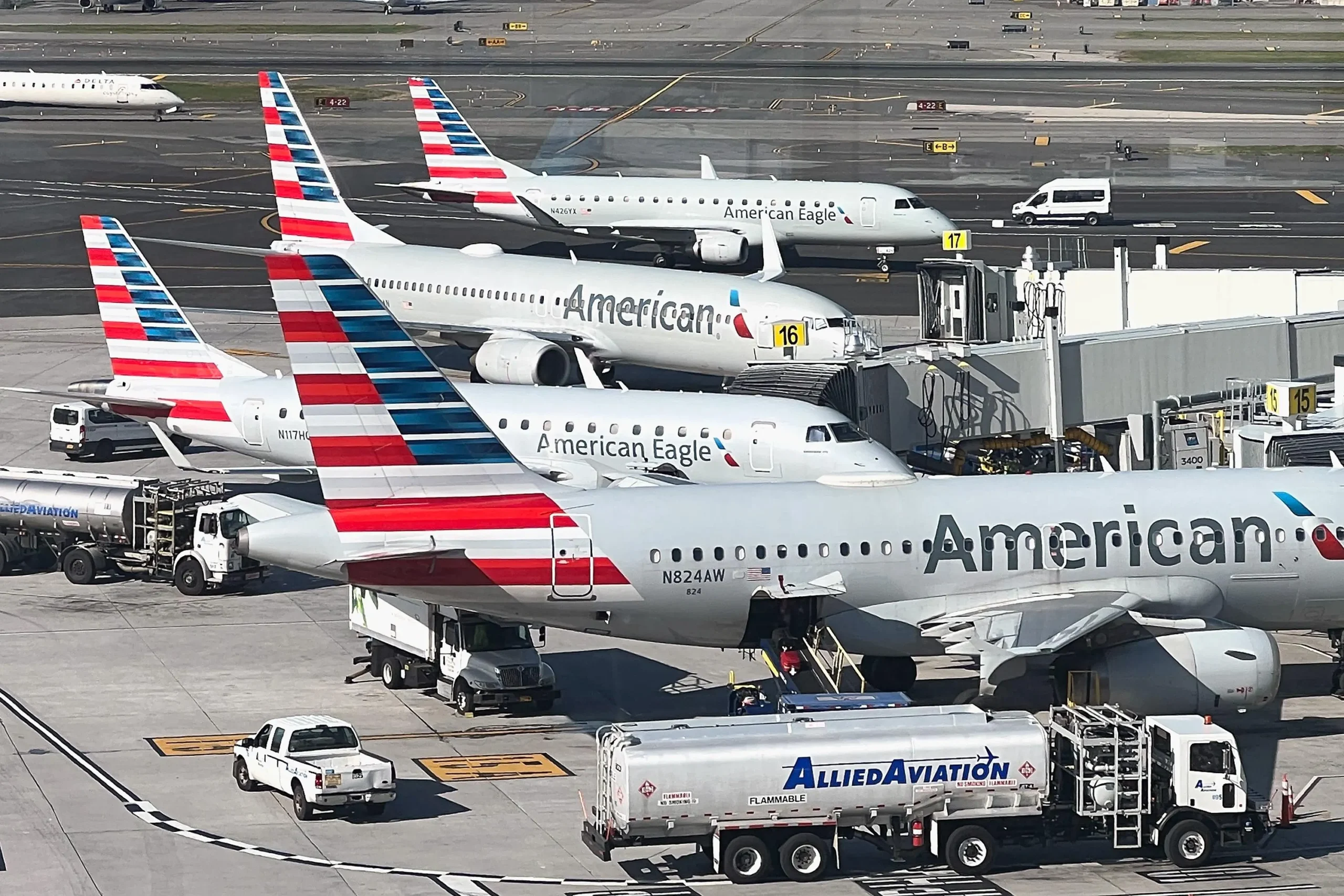
The aviation industry is among the hardest hit by rising fuel costs even Airlines heavily depend on jet fuel and a small increase in prices can have a major impact on overall expenses.
Key challenges faced by airlines include:
- Increased cost of jet fuel
- Pressure on ticket pricing strategies
- Reduced profit margins
- Fluctuating passenger demand
- Higher operational and maintenance costs
Many airlines’ companies are now considering their fare hikes to offset rising costs. However, they increasing their ticket prices which may impact demand and especially among price-sensitive travellers.
Logistics Sector Faces Margin Pressure:
Logistics and transportation companies are also experiencing significant challenges. Fuel costs play a crucial role in determining shipping and delivery expenses.
Major impacts on logistics firms:
- Higher transportation and freight costs
- Increased last-mile delivery expenses
- Pressure on contract pricing
- Reduced profitability
- Increased warehousing and distribution costs
Companies operating in e-commerce logistics are particularly affected, as they must balance rising costs with competitive pricing expectations.
Cost Pass-Through to Consumers Becomes Inevitable:
As operational expenses rise, companies are gradually passing on the additional costs to customers. This has led to an increase in ticket prices, shipping charges, and delivery fees.
Key outcomes include:
- Higher airfare for passengers
- Increased shipping and courier charges
- Rising prices of goods due to higher logistics costs
This cost pass-through is contributing to broader inflationary pressures across the global economy.
Strategic Measures to Manage Rising Costs:
To cope with the situation globally companies are implementing their various strategies because they have aimed how to reducing cost for fuel consumption and improving with efficiency.
Common measures include:
- Optimizing routes to reduce fuel usage.
- Investing in fuel-efficient vehicles and aircraft.
- Adopting digital tools for better logistics management.
- Revising pricing strategies
Some companies are also exploring their alternative fuels sources for overcomes dependency and sustainable energy solutions to reduce dependence on traditional fuel sources.
Impact on Global Trade and Supply Chains:
Rising fuel costs are not only affecting to airline and logistics companies but they also impacting on global trade and supply chains with increased transportation costs can lead to delays and higher prices for goods.
This may result in:
- Slower movement of goods
- Increased cost of imports and exports
- Pressure on international trade
Businesses are now focusing on improving supply chain efficiency to minimize disruptions.
Future Outlook Remains Challenging:
The outlook for airlines and logistics firms directly showing the remains uncertain impacting on fuel prices continue to fluctuate. If prices remain high these airline companies may face prolonged financial pressure.
Future concerns include:
- Continued volatility in energy markets impacted on supply.
- Uncertainty across the global economic conditions.
- Increasing regulatory and environmental pressures.
This kind of situation also presents opportunities for innovation and efficiency improvements due to companies that adapt quickly and invest in sustainable solutions are likely to perform better in the long run.
Industry Adapts to a New Cost Reality:
Rapidly increasing fuel prices due to middle east conflicts create disruption across the aviation and logistics industries because shortage of fuel. Global major companies are being forced to rethink their strategies and focusing towards enhances optimize operation for adapt to changing market conditions. The coming months will be crucial in determining how effectively these industries manage rising costs while maintaining service quality and customer demand.