Global Economic Summit Deferred Due to Regional Instability:
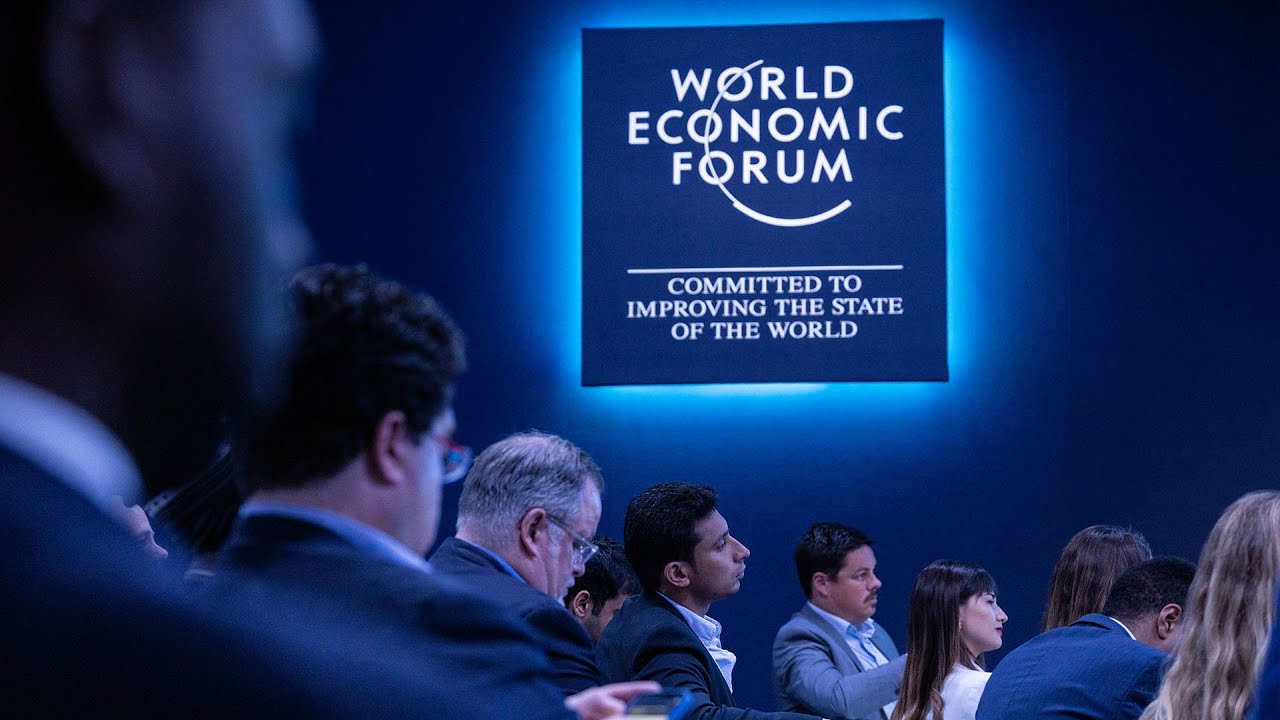
The World Economic Forum (WEF) has postponed their latest global collaboration and Growth Meeting has been initially scheduled for Jeddah in Saudi Arabia but rising geopolitical tensions in the Middle East. The meeting was intended to gather world leaders even have attendance of many policymakers and business executives to discuss global trade stability, how to gaining energy security and coordinated economic growth strategies.
These postponement underscores the profound impact of regional instability on global economic governance. It has involved multinational corporations and investors now they face uncertainty as discussions regarding energy transitions which create investment flows disruption and sustainable economic policies are delayed. In these situations, many experts particular in this sector they warn that the postponement may leading slow momentum on key initiatives related to climate finance, infrastructure investment and technological collaboration even which emphasizing the interlinkage between geopolitical stability and economic planning.
Key Highlights:
- WEF postpones their recent Global Collaboration and Growth Meeting which scheduled at Jeddah.
- Regional geopolitical tensions cited as the main cause.
- High-level economic and policy discussions temporarily delayed.
- Increased uncertainty for investors and multinational corporations.
- Multilateral platforms disrupted, requiring alternative coordination methods.
Impact on Global Trade, Energy, and Investment:
The delayed in these meeting was expected to set strategic priorities for global trade and investment but Its absence could be lead delay agreements on critical issues such as cross-border energy security, even stop sustainable infrastructure development and global supply chain stabilization.
Globally energy markets are particularly become more sensitive during as Middle East conflicts create instability has already influenced to rises crude oil prices, even this plays role to blocked shipping routes, and regional investment. Many analysts note that these delays in global coordination could amplify volatility in energy-intensive sectors and slow down strategic initiatives for economic diversification especially in emerging markets dependent on foreign investment.
Key Highlights:
- Potential delays in cross-border trade and energy agreements
- Uncertainty affecting multinational investment strategies
- Possible short-term volatility in energy and commodity markets
- Pressure on governments to find interim solutions
- Businesses reassessing timelines for major infrastructure and technology projects
Response from Organizers and Stakeholders:
The WEF continuous traying to emphasized that the postponement ensures participants can convene in conditions conducive to meaningful dialogue. In the Saudi authorities they confirmed their support for a rescheduled meeting once regional stability improves.
Globally many stakeholders which also including government leaders, even corporate executives and international organizations have expressed to their support for the cautious approach while emphasizing the need to maintain momentum on global policy issues. The postponement also highlights the growing necessity for flexible and hybrid platforms that can adapt to rapidly changing geopolitical conditions.
Key Highlights:
- WEF prioritizes strategic impact and participant safety
- Saudi hosts reaffirm readiness to facilitate a future meeting
- Governments and corporate stakeholders support cautious planning
- Emphasis on alternative engagement channels to sustain global dialogue
- Coordinated response needed to mitigate delays in economic planning.
Broader Economic and Geopolitical Context:
The postponement coincides with ongoing instability in the Middle East but which directly affected on global energy flows even have concern regarding to trade security and lost investor their confidences in term of investment. These impacting on regional strategic importance means that any disruption can have immediate effects on global markets, particularly in sectors like energy, infrastructure, and manufacturing.
Globally many economic directly affecting heavily due to geopolitical risks in their strategic planning. In the supply chain resilience and diversifications in investment and energy security measures are becoming increasingly critical to sustaining economic stability amid unpredictable geopolitical developments.
Key Highlights:
- Middle East instability influencing global trade and energy markets
- Geopolitical risk integrated into corporate and national economic strategies
- Rising need for resilient supply chains and energy diversification
- International institutions facing challenges in maintaining collaboration
- Increased pressure on multilateral frameworks for crisis mitigation.
Future Outlook:
The global community awaits a new date for the WEF meeting and until then they trying to connect trough the hybrid engagements, digital forums, and regional summits may help maintain dialogue. These will be ensuring safe and stable conditions for international cooperation remains essential for fostering investment, trade, and global economic recovery.
Key challenges include:
- Securing safe and stable conditions for rescheduled engagement
- Maintaining momentum in global economic cooperation
- Protecting investor confidence during uncertainty
- Aligning policy priorities amid ongoing geopolitical risks
- Enhancing resilience through international collaboration.