Sector Insights:
The global automated material handling equipment market is shifting towards adapt rapid growth because rising demand across e-commerce, logistics, manufacturing, and pharmaceutical industries. Expanding rapidly penetration for electric vehicles and smart devices is significantly addressable market. According to the Stalwart Research Insights they clearly show in their latest strategic industry outlook, The market is gained USD 72.25 billion in 2025 and is projected to expand to approximately USD 185.70 billion by 2035 with registering a CAGR of 9.9% during the forecast period.
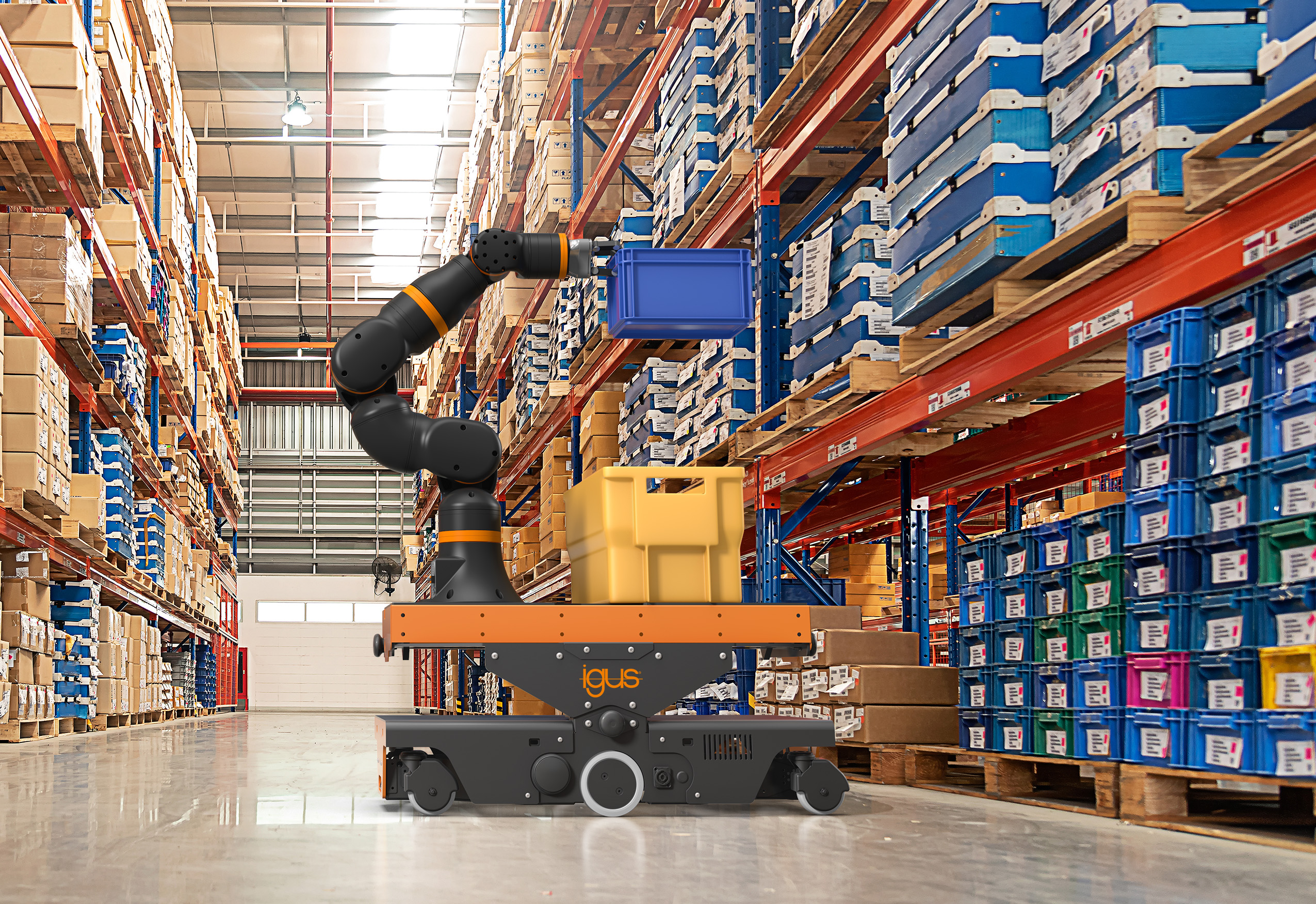
Gaining growth because increasing adoption of automation technologies such as automated guided vehicles (AGVs), autonomous mobile robots (AMRs) and advanced storage systems. Many dominant companies focusing to adapt smart warehouses which enhance operational efficiency with reduce labor dependency for improve order accuracy. Advancement in technologies such as AI-based inventory management with predictive maintenance and real-time tracking systems are transforming warehouse operations into highly responsive and data-driven environments.
Recent changes in geopolitically which include middle east conflicts create trade tensions and supply chain disruptions influenced by shifting global trade policies have impacted the availability. It is critical components for increasing pricing such as semiconductors, sensors, and control systems also tariff changes on industrial machinery. Increasing automation equipment are encouraging companies to localize production and diversify supply chains, particularly in Asia-Pacific and North America.
Segment Analysis:
Automated Storage & Retrieval Systems (AS/RS) (Largest Share):
AS/RS systems segment captured largest share in while market because their efficiency in maximizing storage density and improving operational accuracy.
- High adoption in large-scale warehouses and fulfillment centers
- Ability to optimize vertical storage and reduce space requirements
- Integration with warehouse management systems (WMS)
- Increasing demand for high-speed and error-free retrieval.
These systems are critical for handling high-volume operations with precision and scalability.
Automated Conveyor & Sorting Systems (Second Largest Segment):
This segment is expanding rapidly creating new marketplace with high demand due to the need for high-speed material flow and efficient sorting capabilities.
- Rising demand in e-commerce and parcel logistics
- Capability to handle large volumes with minimal human intervention
- Integration with barcode scanning and AI-based sorting technologies
- Growing use in cross-docking and distribution hubs.
This segment is significantly enhancing throughput and operational efficiency across supply chains.
Regional Outlook:
Asia-Pacific is fastest growing economy contribute to rapid growth through the across the region strong manufacturing capabilities expanding with they are focusing too rapid industrialization and increasing adoption of automation technologies in countries such as China, Japan, and India.
North America is expected to witness for fastest growth due to availability of high investments in smart warehouses and advanced fulfillment centers. While Europe is also expanding rapid growth with increased adoption of automated pallet handling systems and cross-border logistics optimization.
The Middle East & Africa region shows emerging region in growth due to rising investments in logistics infrastructure and industrial hubs although geopolitical instability and fluctuating energy prices continue to influence operational costs.
Regulatory & Innovation Drivers:
The market strongly supportive for global safety and automation standards such as ISO regulations for driverless industrial trucks and machinery safety compliance frameworks which ensuring safe deployment of automated systems.
Key innovations shaping the market include:
• AI-driven warehouse orchestration platforms
• Autonomous mobile robots (AMRs) with real-time navigation
• High-density 3D shuttle storage systems
• Robotics-as-a-service (RaaS) models
• Digital twin technology for warehouse simulation
These innovations beneficial for enhancing flexibility, scalability and efficiency across automated material handling operations.
Industry Landscape:
The automated material handling equipment market is moderately consolidated, with dominant players focusing on technological advancements with strategic partnerships and global expansion.
Key industry participants include:
- Daifuku Co., Ltd.
- KION Group AG
- Honeywell International Inc.
- SSI Schaefer AG
- KUKA AG.
These companies are ready for heavily investing to make more advance technologies such as robotics, AI integration, and smart warehouse solutions to strengthen their competitive positioning.
Industry Brief:
The industry is clearly showing rapidly growth in the forecast period due to increasing demand for automation and efficiency in supply chain operations.
- Rising adoption from e-commerce and logistics sectors
- Growing use of robotics in manufacturing and warehousing
- Increasing focus on labor cost reduction and safety
- Expansion of connected and intelligent warehouse ecosystems.
Market Scenario Analysis:
The market outlook remains strong, supported by technological advancements and global supply chain transformation.
• Geopolitical tensions impacting component supply and pricing
• Tariff realignments driving regional manufacturing strategies
• Increasing investments in automation and smart logistics
• Rising focus on supply chain resilience and flexibility
• Expansion into emerging markets with growing industrialization.
The automated material handling equipment market is entering towards transformative phase with driven by strong digitalization, robotics, and smart logistics positioning itself as a critical backbone of modern global supply chains.