
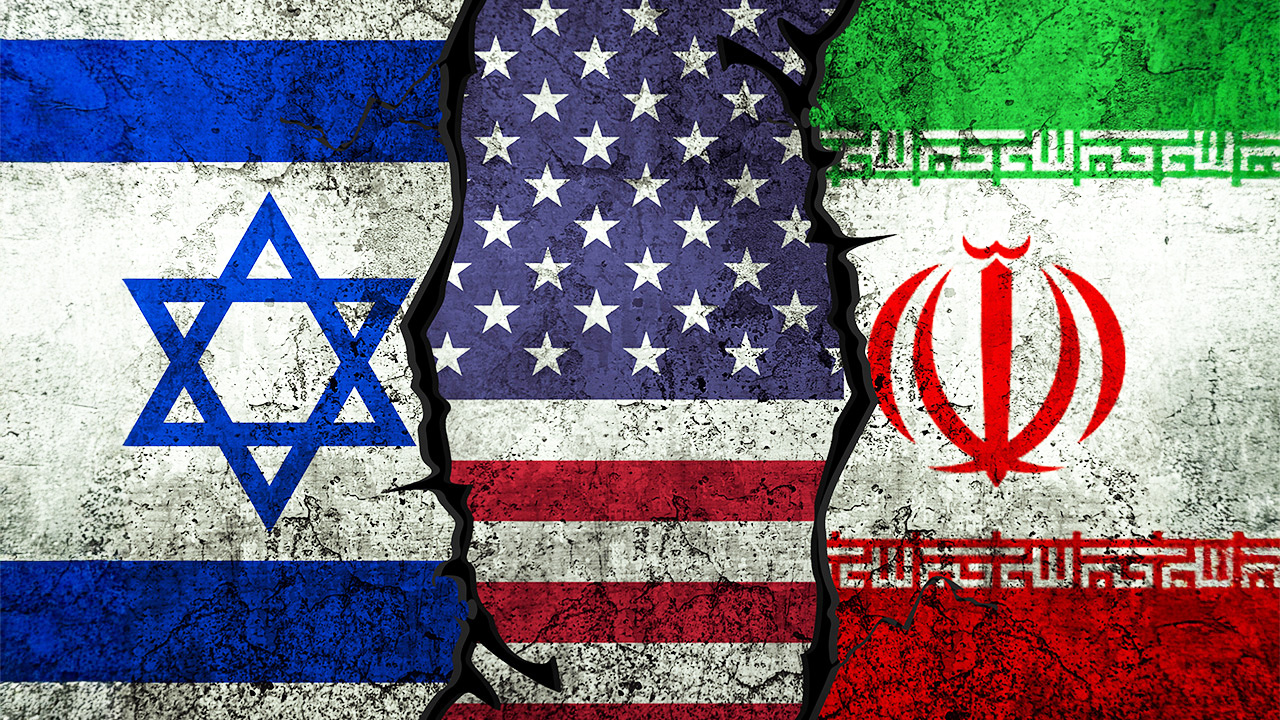
Ceasefire Offers Short‑Term Relief Amid Fragile Regional Stability
Global geopolitical tensions get some relief because we can saw a temporary de‑escalation between United States and Iran agreed to ceasefire for two‑week so that paused direct hostilities in the Middle East. This agreement came just before a potential escalation deadline and it was welcomed internationally as a critical diplomatic development. We looking forward ahead nations around the world acknowledged the ceasefire bring as an opportunity to lower immediate conflict risk so yet cautioned that underlying hostilities and strategic differences remain unresolved. The situation directly reflects how diplomatic engagement can stabilize global markets even when broad geopolitical challenges persist.
- Temporary reduction in active hostilities
- International diplomatic engagement increases
- Underlying strategic conflicts remain unresolved
The ceasefire, while globally welcomed for these paused it primarily acts as a tactical reduction in violence. Persistent animosity and sporadic clashes in peripheral zones underscore the fragility of the arrangement. In a Washington and Tehran have indicated that further dialogue will continue during this period but each side’s core strategic objectives remain firmly contested.
Energy and Commodity Markets Reflect Continued Uncertainty:
Global energy markets rapidly responded with fluctuation that following the announcement. Increasing oil prices volatility continued to exhibit. These reflecting market uncertainty about the Strait of Hormuz it is a crucial for oil transit chokepoint carrying nearly a fifth of global crude supply. In the hours after the ceasefire with prices experienced both downward corrections and upward retracements as traders attempted to gauge whether the diplomatic shift would soon restore consistent shipping flows or if sporadic disruptions would persist. Inventory managers and energy analysts even sovereign producers are now balancing their optimism over reduced conflict risk with scepticism about operational normalization.
• Oil prices remain volatile due to supply chain concerns
• Markets cautious despite temporary diplomatic shift
• Energy security remains a core strategic concern.
This sustained volatility clearly highlights the market’s cautious interpretation while immediate military risk has temporarily receded with logistical, security, and diplomatic uncertainties still hamper a return to full confidence. Globally major exporters and importers alike are recalibrating forecasts to reflect this dual nature of optimism and risk.
Financial Markets Show Mixed Sentiment as Investors Weigh Risks:
Global equity markets displayed a tempered response on April 9, 2026 as risk appetite remained constrained by broader geopolitical uncertainty. Key indices within these major markets opened lower with investor focus split between cautious optimism and risk aversion. Iin a currency markets similarly showed fluctuation with major currencies experiencing uneven trading as investors adjusted portfolios in response to changing geopolitical forecasts.
• Global equities opened lower amid caution
• Currency markets showed uneven movement
• Investor sentiment remains sensitive to geopolitical dynamics.
This pattern impacting on investor behavior to underscores how global financial systems have grown increasingly attuned to geopolitical developments. Even these temporary shifts in conflict dynamics can meaningfully influence risk allocations with portfolio adjustments, and cross‑border capital movements.
International Political Responses Highlight Divergent Global Perspectives:
Global political reactions to regrading foe this ceasefire to reveal nuanced and sometimes contrasting perspectives. If we looking towards European leaders are broadly endorsed their diplomatic breakthrough while emphasizing the necessity for longer‑term engagement to secure lasting peace. In an Asian nation that highlighted the importance of energy security and uninterrupted trade routes continuous urging all parties to explore sustainable solutions. Meanwhile in a regional allies expressed tehri guarded optimism with acknowledging the ceasefire but stressing that broader structural issues such as territorial disputes, proxy influences, and security guarantees require extensive multilateral diplomacy.
- Endorsements of ceasefire with calls for extended diplomacy
- Emphasis on maintaining secure energy and maritime trade lines
- Regional stakeholders maintain vigilant observance of next steps
These actions underscore an emerging paradigm in global trade for resilience planning has become as critical as traditional supply management especially in geopolitically sensitive corridors.
Strategic and Long‑Term Outlook Remains Fragile:
Even the ceasefire notably mark diplomatic milestone with long‑term stability across the Middle East remains in question. These continued conflicts in neighbouring regions heavily shifted towards power dynamics and unresolved territorial and military disputes suggest that volatility may persist. Many governments even within the businesses and financial institutions worldwide are preparing for multiple scenarios from renewed tension to extended peace negotiations. Enhance demand for strategic planning related to defense, energy, and logistics sectors remains elevated as stakeholders assess risk exposures and mitigation strategies.
• Continued diplomatic engagement necessary for enduring calm
• Scenario planning becomes strategic imperative
• Volatility remains a defining characteristic of the current global landscape
The world stands at a cautious crossroads where shows diplomatic breakthroughs coexist with systemic strategic risk shaping how nations even markets and societies plan for immediate stability and future uncertainty.