High-Frequency Communication and Semiconductor Testing Driving Market Expansion
The signal generator market is gained very good positions because rising complexity of 5G/6G communication systems with semiconductor validation and advanced electronic testing requirements. Within these market the high-frequency signal generators are essential for validating RF performance are ensuring signal integrity with supporting next-generation wireless deployments. According to the latest strategic industry outlook by Stalwart Research Insights they clearly mention that, the market gained USD 2.07 Bn in 2025 and is projected to reached USD 4.19 bn by 2035 with registering a CAGR of approximately 7.3% during the forecast period.
The main reasons behind these expansions through the rising demand for expanding of EV electronics, aerospace systems, and telecom infrastructure. It is accelerating demand for precise waveform generation and real-time signal simulation from industries are increasingly adopting advanced testing tools supportive to reduce design errors and improve system-level validation efficiency across integrated electronic ecosystems.
- 5G/6G communication testing demand
- Semiconductor validation requirements
- EV and aerospace electronics growth
These factors are promoting to the demand for high-performance signal generators are enabling accurate testing with improved reliability and faster deployment of next-generation communication and electronic systems.
Sub-THz and Modular Platforms Transforming Testing Capabilities
Nowadays it very important if you want to gained strong position within market so companies need to offering advance technologies. That significantly reshaping the signal generator market with the introduction of sub-THz vector signal generators and modular PXIe-based RF platforms. These solutions are enabled to provide ultra-wideband signal generation with real-time mmWave simulation and multi-channel synchronization for supporting complex testing environments.
The integration of software-defined instrumentation and automated calibration workflows is improving scalability with reducing manual intervention. This allows manufacturers and research labs to enhance testing accuracy while accelerating development cycles for advanced communication systems.
- Sub-THz signal generation
- PXIe-based modular platforms
- Automated calibration systems.
These advancements are enabling precise with scalable and high-frequency testing solutions required for next-generation telecom even semiconductor, and aerospace applications.
Cost Barriers and Geopolitical Supply Constraints
Despite this strong growth the market faces many challenges those has related to high capital costs of advanced signal generators and supply chain disruptions. The Sub-THz and mmWave testing equipment are require specialized components are contributes for increasing production costs and limiting accessibility for mid-scale enterprises.
Expanding geopolitical tensions which create restrictions on export of semiconductor technologies are also affecting global supply chains which create delaying product availability and impacting deployment timelines in critical industries.
- High equipment costs
- Semiconductor component dependency
- Trade and export restrictions.
These clearly showing to address of such kind of issues due to companies are focusing on cost optimization with localized manufacturing and strategic partnerships to ensure supply continuity and broader market accessibility.
Expanding Applications Across Telecom, Automotive, and Aerospace
Signal generators used to expand every day across telecom, automotive, aerospace, and research sectors. In the telecom operators totally rely on them for validating 5G infrastructure, while automotive manufacturers use them for radar and EV system testing. If we look towards Aerospace and defense sectors require high-frequency simulation for communication and navigation systems.
- Telecom infrastructure testing
- Automotive radar and EV validation
- Aerospace and defense applications.
This cross-industry adoption highlights the critical role of signal generators in enabling precision testing and ensuring performance reliability across complex electronic systems.
Key Players Advancing High-Frequency Testing Solutions
The signal generator market is moderately consolidated, with leading players sifting their focus on expanding their product portfolios which supportive to high-frequency and integrating advanced RF testing capabilities. In this market many companies are investing in innovation with modular systems and software-defined instrumentation to strengthen their market position.
Top Industry Players:
- Keysight Technologies
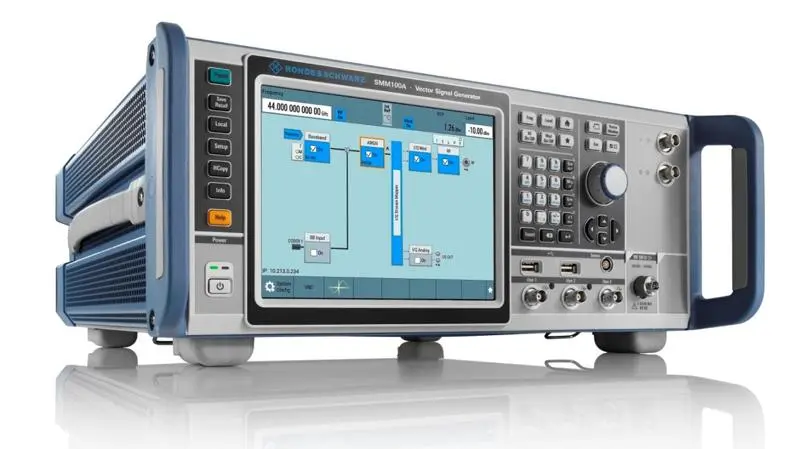
- Rohde & Schwarz
- Anritsu Corporation
- Tektronix, Inc.
- National Instruments (Emerson Electric Co.)
These above players provide financial support to driving advancements in mmWave and sub-THz technologies are enabling for next-generation communication testing and semiconductor validation solutions.
Next-Generation RF Ecosystems and 6G Development Opportunities
Within this market many regions are creating emergence for 6G communication systems and advanced RF ecosystems is expected to create significant growth opportunities for the signal generator market. Increasing focus on build stronger digital twin-based RF simulation even they also trying to autonomous system validation and satellite communication testing is expanding the scope of high-frequency signal generation technologies.
Globally governments and enterprises are ready for heavily investing in next-generation wireless infrastructure and semiconductor innovation to driving demand for ultra-precise testing tools. The integration of AI-driven testing platforms and real-time simulation environments is further enhancing system validation capabilities.
- 6G and ultra-wideband testing
- Digital twin RF simulation
- Satellite and autonomous system validation.
These developments are beneficial for positioning signal generators as essential tools in future communication ecosystems enabling faster innovation also improved testing accuracy and scalable deployment of advanced electronic technologies.