Supply Chain Disruptions Drive Price Volatility across Critical Commodities
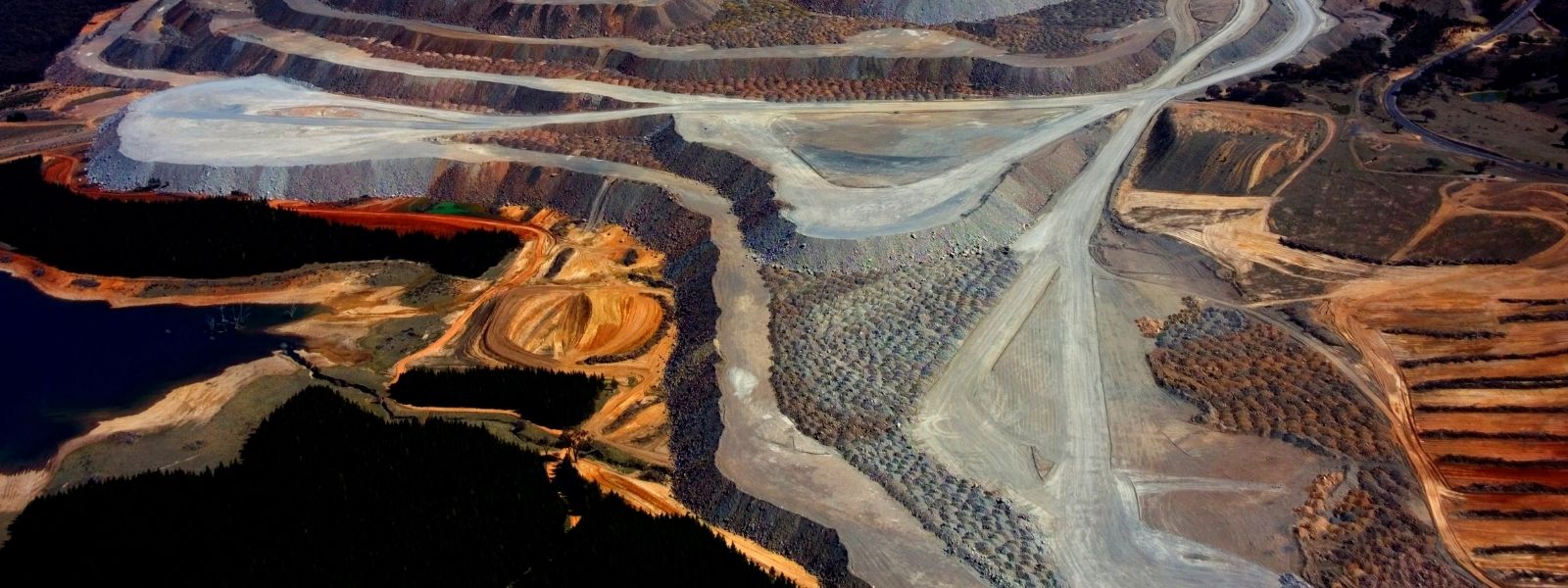
The global minerals and metals markets are experiencing unprecedented volatility as geopolitical tensions continue to reshape supply chains and trading relationships worldwide. From lithium shortages affecting electric vehicle production to rare earth element restrictions impacting technology manufacturing, the intersection of politics and commodities has never been more critical.
Critical Minerals Face Supply Constraints
The ongoing geopolitical landscape has significantly impacted the availability of critical minerals essential for modern technology and green energy transitions. Lithium prices have surged by over 40% since late 2025, primarily due to export restrictions and mining disputes in key producing regions. Similarly, cobalt and nickel markets are experiencing supply bottlenecks, affecting battery manufacturing globally.
Key market impacts include:
– Lithium carbonate prices reaching $45,000 per ton
– Copper futures hitting 18-month highs amid supply concerns
– Rare earth elements facing 60% price increases year-over-year
– Steel markets volatility due to iron ore supply disruptions
Regional Trade Bloc Formations
Countries are increasingly forming strategic partnerships to secure mineral supplies, creating new trade blocs that prioritize resource security over traditional market dynamics. The Indo-Pacific Minerals Security Partnership has emerged as a counterweight to traditional supply chains, while African nations are consolidating their mineral wealth through the African Continental Free Trade Area (AfCFTA)
Green Transition Complications
The push toward renewable energy and electric vehicles has intensified competition for specific minerals, making geopolitical stability even more crucial. Palladium and platinum markets remain volatile due to ongoing sanctions, while aluminum production faces energy-related challenges in Europe.
Market Outlook and Strategic Implications
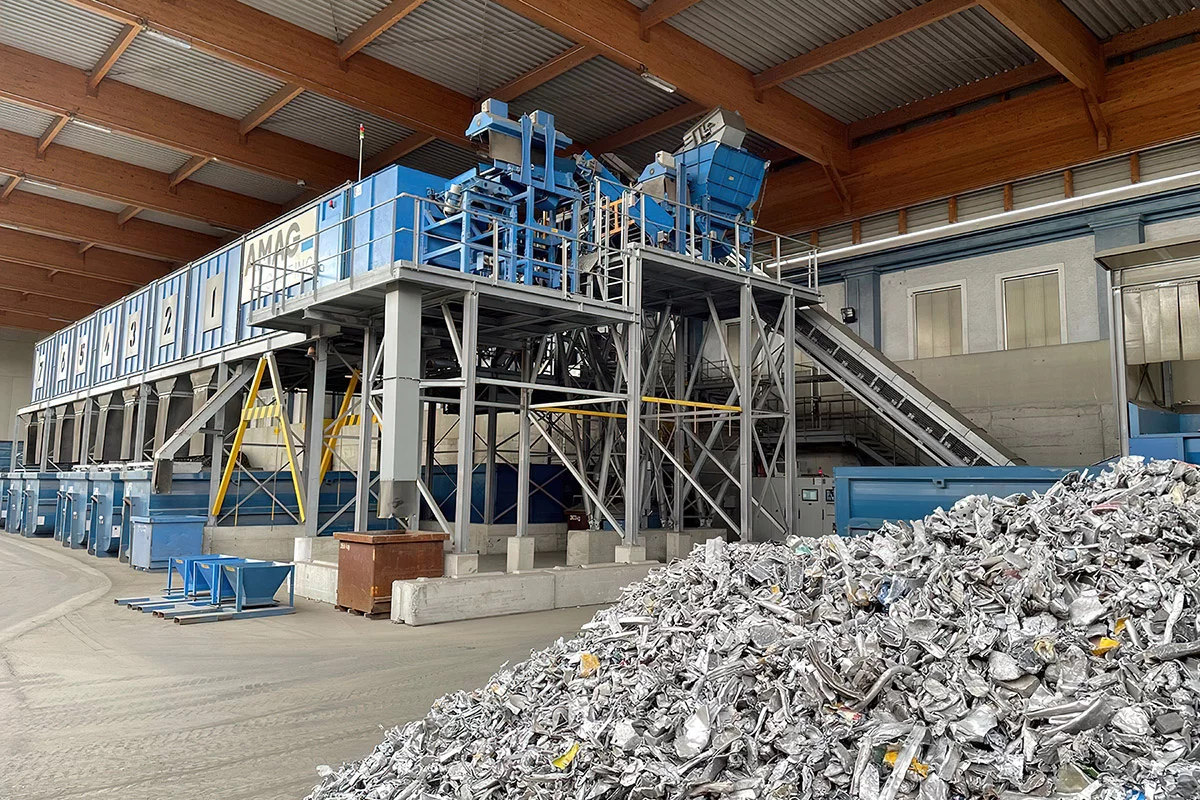
Industry analysts predict continued volatility through 2026, with companies increasingly focusing on supply chain diversification and strategic stockpiling. The development of alternative sources and recycling technologies is accelerating as businesses seek to reduce geopolitical exposure.