Sustainable farming practices and biodegradable innovations which continuous driving large-scale adoption across agriculture
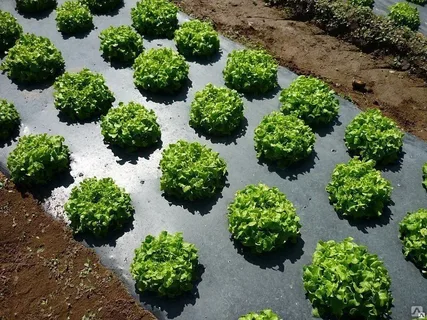
The global mulching films market is continuous transitioning towards high-growth phase which supported through the increasing demand for efficient agricultural inputs that enhance productivity while ensuring environmental sustainability. According to the latest strategic industry outlook by Stalwart Research Insights they clearly mention that, the market is gained USD 4.5 Bn in 2025 and is projected to reach approximately USD 12.4 Bn by 2035 with growing at a CAGR of 10.7% in the upcoming year. This growth is largely driven because the rising adoption of mulching techniques across fruits, vegetables, and grain cultivation so where water conservation with soil protection and yield optimization are becoming critical priorities.
It becomes possible in reality because current momentum within the industry that reflects a broader shift toward precision farming and climate-resilient agriculture. Even farmers are increasingly integrating for mulching films into their cultivation practices for reduce water usage also control weeds beneficial for improve crop consistency. Government provide support related to sustainability initiatives and funding programs are accelerating adoption across both developed and emerging markets.
Sustainable Agriculture Adoption Driving Immediate Market Expansion
Mulching films are continuous gaining strong growth portion due to their direct and measurable impact on agricultural productivity. It involves application is particularly prominent in horticulture and high-value crop segments where efficiency and quality are key determinants of profitability.
• Enhanced adaption for soil moisture retention reducing irrigation demand
• Effective weed suppression minimizing chemical usage
• Improved crop yield and quality consistency
• Increasing integration with precision farming practices.
These provide benefits to gained positioning mulching films as a core component of modern agricultural systems.
Biodegradable Films Transforming Market Dynamics
These major transformation within the industry is the shift toward biodegradable and compostable mulch films. Expanding concern related to environmental for plastic waste accumulation and soil contamination are pushing both regulators and farmers to adopt sustainable alternatives.
It involves materials such as thermoplastic starch, PLA, and PHA are gaining popularity due to their ability to decompose naturally into the soil after use. This eliminates the need for film removal and disposal with reducing labor costs and environmental impact.
- Strong demand for soil-biodegradable mulch films
- Growing adoption of PLA, PHA, and starch-based materials
- Reduction in post-harvest plastic waste
- Alignment with global environmental regulations
This transition is creating new innovation pathways for reshaping competitive dynamics in the market.
Technology Advancements Enhancing Product Performance
Surging continuous rapid advancement in technologies with aimed for improving durability w3ith maintain efficiency and adaptability. It has contributed Innovations such as multi-layer film structures, UV-resistant coatings and smart mulch technologies are enhancing performance across diverse agricultural conditions.
In the modern films are designed how to regulate soil temperature for improve light reflection and extend crop cycles those making them suitable for a wide range of crops and climatic environments.
- Multi-layer films improving strength and functionality
- UV-resistant coatings enhancing durability
- Smart mulch solutions supporting precision agriculture
- Increased adaptability across varied climatic conditions
These developments leading to the continuous expanding the applicability of mulching films across global farming systems.
Cost and Infrastructure Challenges Impacting Adoption
Despite strong growth prospects but still industry faces certain challenges those continue to impact market expansion. Also, the higher cost of biodegradable mulch films compared to conventional plastic variants remains a significant barrier which particularly for small-scale farmers.
Within the market inconsistent degradation performance under varying environmental conditions and limited availability of certified biodegradable materials create adoption uncertainties.
- High upfront cost of eco-friendly mulch films
- Variability in degradation across soil conditions
- Limited disposal and composting infrastructure
- Supply chain constraints for advanced materials
Its directly addressing some challenges will be essential for achieving large-scale adoption.
Regional Growth Patterns Driven by Agricultural Practices
Asia-Pacific continuous dominates highest portion due to increasing extensive agricultural activities and increasing adoption of modern farming techniques. Many countries like China and India are leading demand due to government provide support through the initiatives and rising awareness about sustainable farming.
Even within the North America and Europe are expected to witnessing for strong growth in biodegradable mulch adoption due to strict environmental regulations. It involves many regions such as Latin America and the Middle East are emerging as high-growth markets due to expanding high-value crop cultivation and climate-resilient agriculture practices.
- Asia-Pacific leading due to large-scale agricultural demand
- Europe driven by sustainability-focused regulations
- North America adopting biodegradable alternatives
- Emerging regions gaining momentum in precision farming
This regional diversification is enhancing to their overall market expansion.
Competitive Landscape Focused on Sustainable Innovation
The mulching films market is moderately consolidated, with dominant companies build strategies for enhances biodegradable innovation with advanced production technologies and regional expansion strategies. Many top manufacturers are continuous investing in R&D to develop high-performance films that meet both agricultural and environmental requirements.
Top Industry Players:
• BASF SE
• Berry Global Inc.
• Novamont S.p.A.
• RKW SE
• BioBag International AS
These companies focusing to expanding their market position through the offered the innovations related to biodegradable material with certification-based product development and expansion into emerging agricultural markets.
Industry Shift Toward Circular and Regenerative Agriculture Models
This industry is becoming more stable with growing because increasingly aligning with circular economy principles and regenerative agriculture practices. Globally manufacturers and agricultural stakeholders are exploring closed-loop systems where biodegradable films not only decompose safely but also contribute to soil health by leaving nutrient-rich residues.
At the same time now days increasing innovations related to film recovery for recycling technologies for conventional plastics and integration with sustainable farming inputs are gaining attention. Its leading to the shift is expected to redefine long-term industry dynamics trough the reducing environmental impact while enhancing agricultural productivity.
- Growing focus towards circular and closed-loop material systems
- Integration with regenerative agriculture practices
- Development of soil-enriching biodegradable films
- Increasing emphasis on sustainability across value chain
In short within this market is continuous evolving approach highlights how the mulching films market is moving beyond productivity enhancement toward a more sustainable and environmentally integrated agricultural ecosystem.