The global power generation ecosystem is undergoing a structural shift toward lifecycle optimization and performance-driven asset management. According to the latest strategic industry outlook by Stalwart Research Insights, the global Steam Turbine Service Market valued at USD 21.4 billion in 2025 is projected to reach USD 34.7 billion by 2035, expanding at a steady CAGR of 4.9%.
The market is transitioning from reactive maintenance models to predictive, digitally integrated service ecosystems. This evolution is being propelled by aging power infrastructure, rising electricity demand, and the growing integration of digital diagnostics across thermal, nuclear, and industrial cogeneration plants. By 2027, the market is expected to surpass USD 23.6 billion, highlighting accelerated investment in efficiency upgrades and turbine life-extension programs.
The Digital Shift: Predictive Maintenance & Smart Diagnostics
The hallmark of the 2026 steam turbine service market is the move from scheduled overhauls to condition-based predictive servicing.
Advanced monitoring technologies now enable:
- Real-time vibration and temperature analysis
- AI-powered fault detection systems
- Remote performance monitoring dashboards
- Predictive analytics for outage prevention
Industry specialists emphasize that plant operators are no longer waiting for breakdowns. Instead, data-driven service models are optimizing uptime, improving fuel efficiency, and reducing unplanned downtime costs.
Download Sample PDF Copy of this Report to understand structure of the complete report :
Service Segment Leadership: Maintenance & Repair Dominate
Maintenance & Repair Services Lead (52.8% Share)
Routine maintenance and component repair remain the backbone of the market, driven by:
- Aging turbine fleets across coal and gas power plants
- Increasing regulatory efficiency standards
- The need to extend asset lifespan
Overhaul and retrofitting services are also expanding as operators modernize legacy systems to improve output and reduce emissions.
Application Analysis: Power Generation Remains Core Revenue Driver
Power Generation Segment (64.1% Share)
Utility-scale thermal and nuclear power plants continue to account for the largest revenue share, supported by:
- High operational intensity
- Continuous performance monitoring requirements
- Regulatory pressure for efficiency improvements
Industrial applications—including oil & gas, petrochemicals, and refineries—represent a strong secondary segment due to continuous process operations that rely on turbine reliability.
Regional Outlook: Asia-Pacific Emerges as High-Growth Region:
While North America and Europe maintain stable demand due to established infrastructure and modernization programs, Asia-Pacific holds the largest market share and is projected to register the fastest growth through 2035.
Key growth drivers include:
- Rapid industrialization in China and India
- Expansion of coal and gas-fired plants
- Increasing investment in combined-cycle power plants
- Infrastructure upgrades across Southeast Asia
Government-backed power generation expansion plans continue to fuel demand for comprehensive turbine servicing contracts.
Regulatory & Efficiency Drivers:
The steam turbine service industry is increasingly shaped by:
- Stricter emission regulations
- Carbon reduction targets
- Efficiency optimization mandates
- Reliability standards in critical power infrastructure
Operators are investing in turbine retrofits, blade upgrades, and efficiency enhancement solutions to align with environmental and operational performance standards.
Competitive Landscape: Transition Toward Service-Based Ecosystems:
The market reflects a strategic transformation as OEMs and service providers expand digital and long-term maintenance contracts.
Key industry participants include:
- Siemens Energy
- General Electric
- Mitsubishi Power
- Ansaldo Energia
- Doosan Enerbility
These players are focusing on long-term service agreements (LTSA), digital twins, and remote performance monitoring platforms to enhance competitive positioning.
Industry Challenges: Cost Pressures & Infrastructure Complexity:
Despite strong growth projections, the industry faces several structural challenges:
- High capital requirements for turbine overhauls
- Integration complexity in aging plants
- Skilled workforce shortages
- Volatility in fossil fuel power investments
However, the adoption of predictive maintenance platforms and modular upgrade solutions is expected to significantly lower lifecycle costs through 2035.
Strategic Outlook Toward 2035:
The steam turbine service industry is evolving from traditional maintenance operations into a digitally optimized performance management ecosystem.
The next decade will be defined by:
- Predictive analytics and AI-driven servicing
- Expansion of long-term service contracts
- Efficiency retrofits in emerging economies
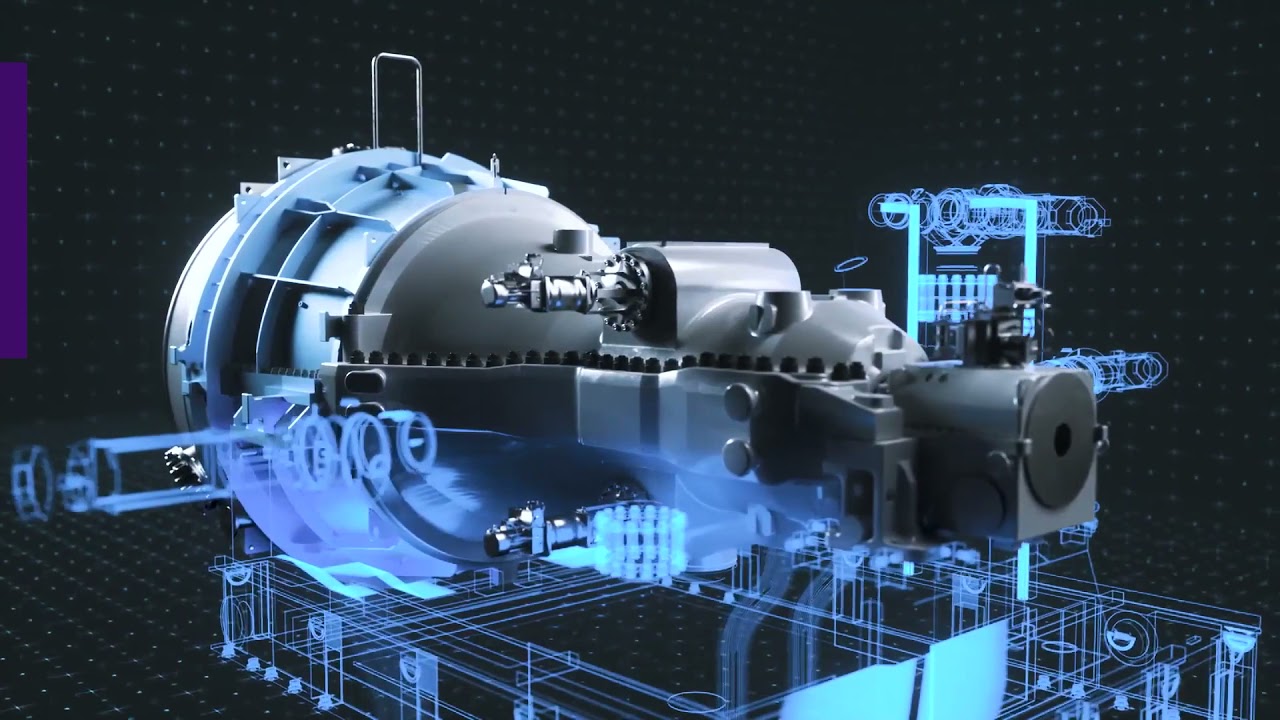
- Integration of digital twin technologies
The industry is no longer just servicing turbines it is safeguarding the reliability and efficiency of global power infrastructure.
Related Reports:
Mountain Bicycle Helmets Industry
Radioactive Material Logistics Industry
Smart Electric Bicycle Industry
Unlock the Future of Steam Turbine service industry : Trends and Strategies to 2036
Discover the latest formulation innovations from advanced sensor integrations to AI-driven predictive analytics that are reshaping industry standards.
For an in-depth analysis of evolving trends, competitive landscapes, and a comprehensive strategic outlook through 2036, visit the official report page here.
Gain actionable insights to future-proof your operations and seize emerging opportunities.