Industrial Activity Shows Strong Recovery:
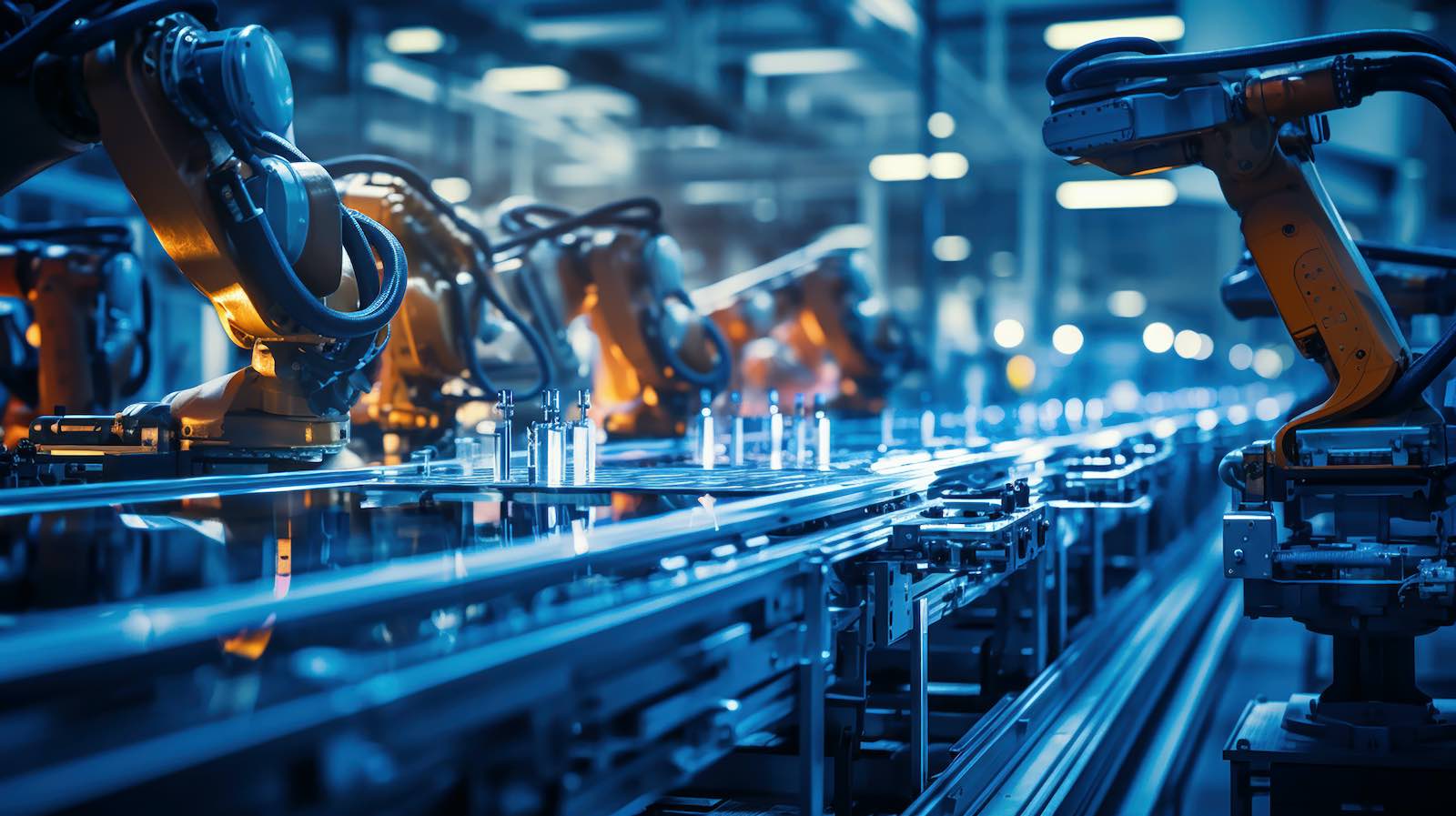
India’s manufacturing sector is experiencing a notable upswing due to increasing domestic demand for domestic to improved export performance and government favourable policy also provide support. Recent data indicates an increase stable production level across key industries including automobiles, electronics, machinery, and consumer goods. Many dominant companies are reporting higher order volumes with reflecting growing business confidence and a sustained recovery in industrial activity. In the public and private sectors contributing to the role as a key driver of economic growth and positioning India as an increasingly important player in global manufacturing networks.
Demand Trends Strengthening Growth:
In the urban and rural are increasing demand are contributing to the sector’s expansion and nowadays rising income levels of people with improved consumer sentiment and increased spending on durable goods are boosting production requirements. Additionally, in a festive season demand cycles and infrastructure are led consumption 3 times greater than normal seasons are accelerating manufacturing output. Export demand particularly from regions seeking alternatives to traditional supply chains, is also supporting consistent order inflows.
Government Policies Boost Sector Expansion:
A major factor behind these sector’s increasing growth rate is government’s play’s vital role which continued focus on enhancing their manufacturing capabilities through initiatives such as Make in India and production-linked incentive (PLI) schemes. Government organized many programs for emphasizing companies to invest in local production with reduce import dependency and enhance export competitiveness. Development in infrastructure sector especially improved logistics with dedicated freight corridors and industrial clusters is also playing a crucial role in supporting manufacturing expansion.
Policy-Driven Advantages:
- Tax incentives and subsidies for domestic manufacturing.
- Simplification of compliance and regulatory frameworks.
- Focus on export-oriented production strategies.
- Development of smart industrial cities and corridors.
- Encouragement of foreign direct investment (FDI).
Rising Investments and Technological Adoption:
Indian manufacturers are traying to increasing their investment capacity for enhancing modernization to meet growing demand and stay remain competitive world. Shifting preferences towards adapt advanced technologies such as automation, artificial intelligence, and digital manufacturing systems is transforming production processes. Some major factor playing role to drive growth such as Industry 4.0, smart factories and data-driven operations are becoming more prevalent across large enterprises and gradually expanding to mid-sized companies. These innovations are helping businesses for improve their efficiency with reduce operational costs and maintain consistent quality standards.
Innovation and Competitiveness:
Indian manufacturers are focusing to provide funding for research and development (R&D) to enhance their product innovation and customization. This is particularly visible in sectors such as electronics, electric vehicles, and specialty chemicals. Many companies are also aligning with global sustainability standards by adopting energy-efficient processes and reducing carbon emissions, making them more competitive in international markets.
Supply Chain Improvements Support Growth:
The stabilization of supply chains has further contributed to the sector’s positive outlook compared to previous years because the disruptions in raw material availability and logistics have eased significantly. This has allowed companies to streamline operations and maintain consistent production schedules. Additionally, provide diversification of supply sources and increased domestic sourcing are helping reduce dependency on external markets for improving resilience against global disruptions.
Logistics and Infrastructure Gains:
- Faster transportation through improved road and rail networks
- Expansion of warehousing and cold storage facilities
- Digitization of supply chain management systems
- Reduced turnaround time for exports and imports
Employment and Economic Impact:
The growth of the manufacturing sector will be generating employment opportunities in futures across various skill levels freshers from factory workers to engineers and management professionals. Industrial activity contributing to higher income levels and supporting to the related sectors such as logistics, warehousing, and services. This broad-based impact is strengthening the overall economy and supporting long-term development goals. Additionally, skill development programs are helping create a more capable workforce aligned with modern industrial requirements.
Future Outlook:
When we looking ahead, the outlook for India’s manufacturing sector remains optimistic and policy support continuous for rising consumer demand and global supply chain realignment are expected to drive further growth. Increasing many challenges such as input cost fluctuations with also global economic uncertainty and competitive pressures it also remains restraints. Many industry experts show their believe to investing for long term investment for investment in innovation with developed infrastructure and workforce development will be essential to maintaining growth momentum. Government provide support for right balance of policy and private sector participation; India is well-positioned to emerge as a leading global manufacturing hub in the coming years.
Key Takeaways:
- Expansion demand for domestic export is driving production growth.
- Government initiatives accelerating sector expansion.
- Technology adoption improving efficiency and competitiveness.
- Supply chain resilience enhancing industrial stability.
- Provide support for positive long-term outlook despite short-term challenges.