
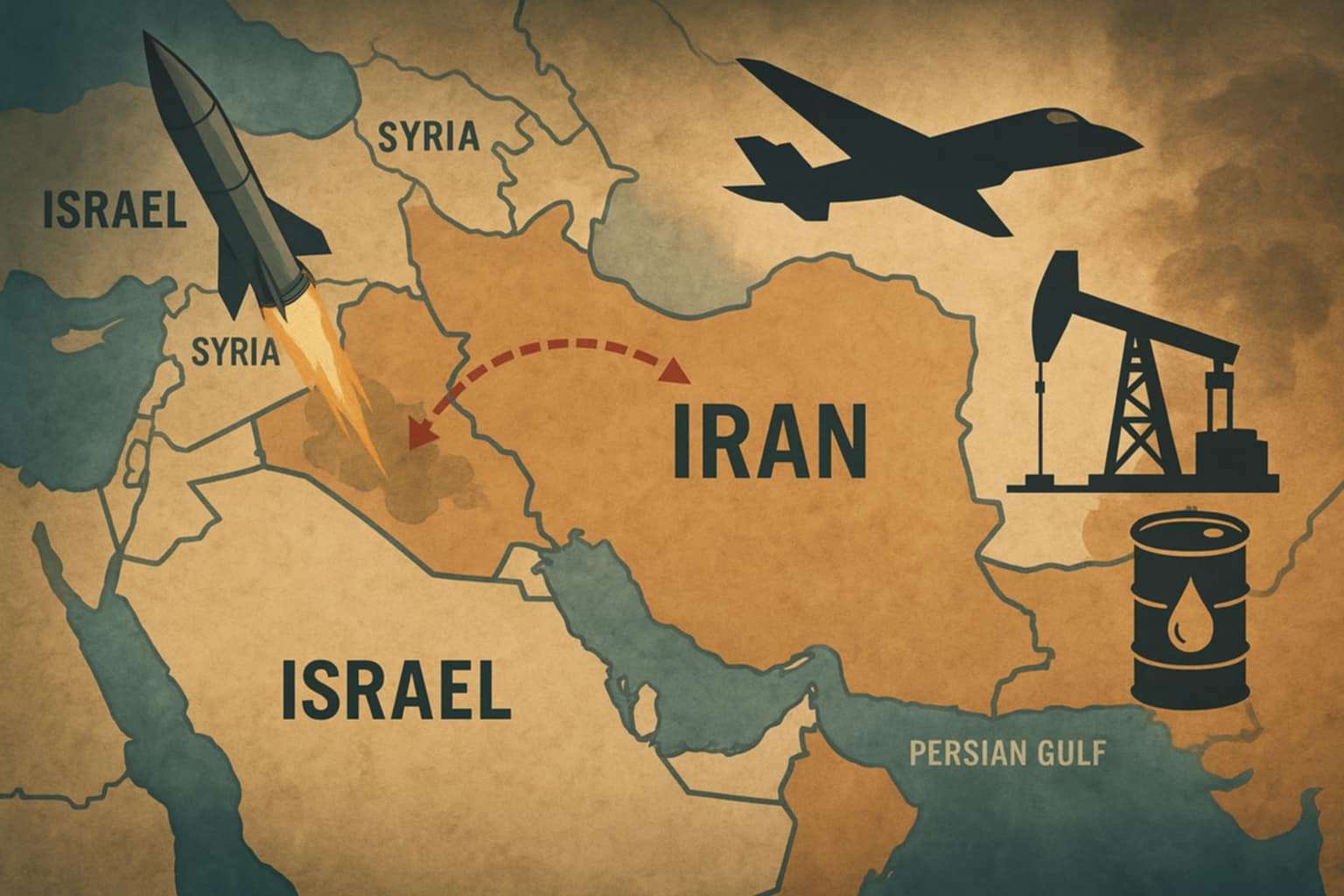
Multi-Region Conflict Raises Global Concerns:
The intensifying war in the Middle East is now having a wave effect on other global conflict zones particularly the ongoing war between Russia and Ukraine. It is gained international attention shifts toward the Middle East crisis with geopolitical dynamics in Eastern Europe are also evolving rapidly. The growing overlap of these conflicts is creating a complex and fragile global security environment.
Globally governments, businesses and international organizations are facing uncertainty due to increased crises across the multiple unfold sector simultaneously. Every country focusing to make strategic priorities which beneficial for shifting global powers are being forced to divide attention and resources between different regions. This situation is testing the effectiveness of international cooperation and crisis management systems.
- Rising geopolitical tensions across multiple regions.
- Global governance and diplomacy surfing under the pressure.
- These conflicts impacting international stability.
Russia-Ukraine War Sees Renewed Momentum:
Recent reports indicate based on current scenario that Russia is preparing for new military offensives in key regions of Ukraine. Global increasingly focus to directed toward the Middle East analysts suggest this shift may provide strategic advantages for Russia in enhancing their battlefield position.
Globally many countries are developed their military more active for increased troop deployments, advanced weapon usage and renewed attacks on critical infrastructure. The situation indicates a possible escalation phase which raising concerns about prolonged conflict and higher humanitarian impact.
- Increased troop mobilization and military operations
- Strategic advantage due to reduced global attention
- Higher risk of prolonged and intensified conflict
Global Attention Divided Between Conflicts:
The Middle East war impacting on globally all countries including the United States and European nations due to these expected to influence the level of military they also trying to enhance financial and humanitarian support available to Ukraine.
Globally many international organizations and alliances are facing challenges in managing multiple crises simultaneously. The need to allocate resources across regions may slow down decision-making processes and reduce the effectiveness of coordinated global responses.
These initiatives have main aimed to enhancing their healthcare capacity also ensuring timely access to medical services across urban and rural regions.
Innovation Accelerates in Medical Technology:
- Reduced international focus on Eastern European developments
- Strain on diplomatic, financial, and military resources
- Delays in peace negotiations and global response efforts
Economic and Political Impact Worldwide:
These conflicts create immense pressure across the global well-developed economy in form of energy prices also disruptions in the Middle East. They adding to the economic strain already caused through the Russia-Ukraine war which impacting on Oil and gas supply globally are driving inflation and increasing operational costs across industries.
Supply chain disruptions are becoming more frequent ad direct affecting to manufacturing with transportation and trade sectors worldwide. Globally developed emerging economies are experiencing economic instability with forcing governments to adopt contingency strategies to stabilize markets and ensure energy security.
- Surge in global energy prices and inflation
- Supply chain disruptions across key industries
- Growing economic instability in global markets
Risk of Broader Global Instability:
Globally many corridors are blocked which create experts warning which simultaneous escalation of conflicts in multiple regions increases the risk of a wider global confrontation. The involvement of major world powers and strategic alliances adds further complexity, making the situation highly unpredictable.
Globally military preparedness levels are being raised across the several countries while diplomatic channels remain active but face limitations due to ongoing hostilities. The risk of miscalculation or unintended escalation remains a major concern.
- Rising risk of multi-nation conflict escalation
- Increased global military readiness
- Complex geopolitical alliances influencing outcomes
Future Outlook:
The global situation remains highly volatile, with both the Middle East and Eastern European conflicts showing signs of further escalation. The coming days and weeks will be critical in determining whether diplomatic efforts can reduce tensions or if the situation will continue to deteriorate.
Long-term implications may include shifts in global alliances, changes in energy trade patterns, and a prolonged period of geopolitical instability affecting economies and security worldwide.
Key challenges include:
- High uncertainty in near-term developments
- Urgent need for diplomatic intervention
- Potential long-term impact on global stability