
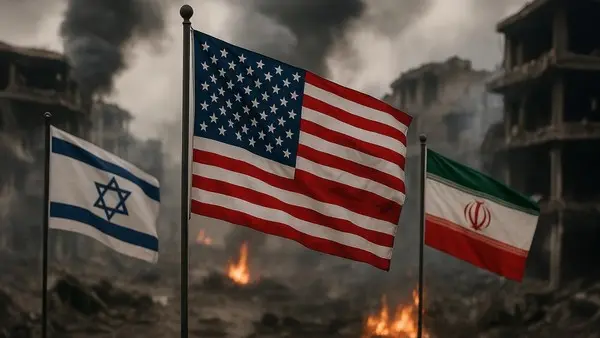
High-Stakes Diplomatic Opening Amid Escalating Global Tensions
The decision to made for upcoming negotiations related to ceasefire so Islamabad contributes to these talks between the United States and Iran is clearly represent a critical moment related to ongoing efforts to stabilize escalating tensions in the Middle East. These talks follow weeks which showing the heightened confrontation that will be disrupted global markets and raised fears of a broader regional conflict. This decision to initiate dialogue signals cautious willingness from both sides to explore diplomatic pathways despite persistent hostilities.
During these situations pakistan’s are plays major role to host underscores its strategic positioning as a neutral intermediary capable of facilitating sensitive negotiations. It bringing both nations to the table but Islamabad is attempting to create a controlled environment where dialogue can progress without direct confrontation. However, the structure of the talks likely indirect reflects the fragile nature of engagement
Amid the short-term diplomatic engagement is expected to reduce immediate escalation risks while testing the willingness of both sides to move beyond confrontation.
- Talks initiated after weeks of rising tensions
- Pakistan acting as neutral facilitator
- Indirect negotiation format likely
Global observers are closely monitoring these developments as even it is lead limited diplomatic progress could help ease geopolitical uncertainty. At the same time expectations remain measured given the long history of mistrust and conflicting interests between both nations.
Leadership-Level Participation Reflects Strategic Importance
The presence of senior political figures from both nations that highlights the seriousness of the negotiations. Pakistan has taken I initiative led especially Prime Minister Shehbaz Sharif is facilitating the discussions through a controlled diplomatic framework. This engagement expected to define structure to rely on indirect or shuttle diplomacy to minimize confrontation while maintaining dialogue continuity.
It clearly reflecting to Islamabad high-level participation that gives signals intent to address complex issues through structured negotiation rather than symbolic engagement.
• Senior officials leading both delegations
• Pakistan acting as diplomatic intermediary
• Indirect negotiation model expected.
This format shown both the importance of the talks and the persistent lack of direct trust between the parties.
Core Agenda Highlights Nuclear Tensions and Regional Power Struggles
The main motive behind these negotiation agenda it reveals a sharp divide in priorities. The United States is expected to focus heavily on nuclear non-proliferation particularly creating limitations on Iran’s that enriched uranium capabilities. Meanwhile, Iran is continuous pushing for broader regional demands including reduced foreign military presence and greater control over strategic zones such as key maritime routes.
Its heavily expect to diverging priorities underscore the complexity of reaching consensus on security and sovereignty issues.
• US emphasizes nuclear restrictions
• Iran seeks regional influence adjustments
• Strategic gaps remain significant.
These differences suggest that early discussions may focus more on defining negotiation frameworks than achieving immediate agreements.
Ongoing Regional Conflicts Add Pressure to Negotiations
The talks are beneficial to against a backdrop of continued instability across the Middle East, where parallel conflicts risk undermining diplomatic progress. Iran has indicated that continued military actions trough the regional actors so it could be impacting its willingness to stay engaged with adding uncertainty to the process.
Increasing external geopolitical tensions, the fragility of ongoing diplomatic efforts.
- Regional conflicts remain active
- Iran signals conditional participation
- Multi-layered tensions complicate dialogue
This interconnected environment makes it difficult to isolate negotiations from broader geopolitical developments.
Security Lockdown in Islamabad Reflects Global Significance
Within the authorities in Islamabad have implemented these extensive security protocols to ensure to maintain the safety and success of the talks. These include restricted access zones with increased military deployment that heightened surveillance across key areas of the city.
Enhanced security measures those highlight both the importance and sensitivity of the negotiations.
• Tight security across diplomatic zones
• Movement restrictions in key areas
• Elevated international attention
Such preparations underline the high stakes and global implications of the discussions.
Gradual Progress Expected as Long-Term Outlook Remains Uncertain
Despite the significance of the talks created expectations for immediate resolution on these conflicts due to entrenched strategic differences. Instead, they focus is likely to be on incremental progress with including confidence-building measures and possible extensions of the ceasefire framework.
A phased diplomatic approach is more realistic given the complexity of issues involved.
• Incremental agreements more likely
• Trust-building remains critical
• Long-term stability uncertain
The Islamabad talks represent to made important diplomatic step but their success will depend on sustained engagement and the ability of both nations move to beyond rigid geopolitical positions.