Army Chief Asim Munir Leads Diplomatic Push Following Stalled Islamabad Negotiations
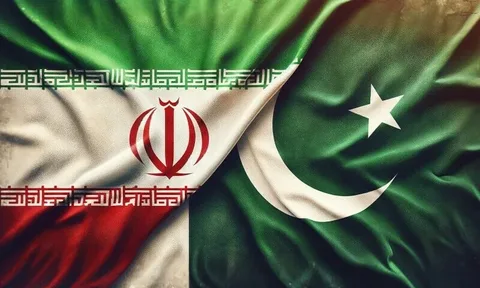
A renewed diplomatic initiative is unfolding as Asim Munir is a Pakistan’s army chief has arrived in Tehran to revive stalled negotiations between the United States and Iran. These visit follows an earlier round of talks held in Islamabad that failed to produce a breakthrough which signalling the need for renewed diplomatic engagement amid rising regional tensions.
During the uncertainty between two countries but Pakistan’s continued showing their involvement which reflects its growing strategic role as a mediator trough the working to maintain communication channels between both nations. This latest effort clearly highlights the urgency of stabilizing a fragile geopolitical environment where diplomatic setbacks could quickly escalate into broader conflict.
- Pakistan army chief visits Tehran to revive negotiations
- Earlier talks in Islamabad failed to reach agreement
- Mediation efforts intensify amid rising tensions
This development underscores the increasing reliance on third-party diplomacy to navigate complex international disputes.
Pakistan Positions Itself as a Key Diplomatic Intermediary
Pakistan plays emerging role as a crucial bridge in the ongoing conflict with leveraging its relationships with both the United States and Iran to facilitate dialogue. Its hosting earlier negotiations and continuing outreach through high-level visits at Islamabad is attempting to sustain momentum in otherwise stalled discussions.
These visit of Asim Munir gives signals a proactive approach to de-escalation which emphasizing diplomacy over confrontation. It reflects a broader regional effort to prevent instability from spreading across already sensitive geopolitical zones.
• Pakistan strengthens role as neutral mediator
• High-level diplomatic engagement continues
• Focus remains on de-escalation and dialogue.
Within gained these positioning for enhances Pakistan’s directly influence in regional and global diplomatic frameworks.
Stalled Negotiations Increase Pressure for Breakthrough
The failure of previous talks was done at Islamabad has added urgency to the current round of discussions. These key disagreements which particularly surrounding nuclear policies and regional security continue to hinder progress between the United States and Iran.
With tensions persisting with diplomatic engagement is seen as critical to avoiding further escalation. The Tehran visit represents an attempt to re-establish common ground and explore potential compromises.
• Previous negotiations ended without consensus
• Core disagreements remain unresolved
• Urgency increases for diplomatic progress.
This situation directly highlights the fragile nature of ongoing peace efforts.
Energy Security and Strategic Routes Influence Negotiation Dynamics
A central issue shaping the broader conflict is the security of key energy transit routes which particularly the Strait of Hormuz. It is one of the more used for oil shipping corridors which totally affected trough these geopolitical disruption has significant implications for global energy markets and supply chains.
The integration of energy security concerns into diplomatic discussions reflects a shift toward more comprehensive negotiation frameworks that address both geopolitical and economic priorities.
- Strategic energy routes influence diplomatic priorities
- Global oil supply linked to regional stability
- Energy security now central to negotiations
This alignment going under the growing intersection between geopolitics and economic stability.
Economic Sanctions Continue to Shape Diplomatic Leverage
Continuous surging economic pressure which remains a critical factor within the negotiation process with the United States maintaining sanctions as a key bargaining tool. Iran has wants to continue get relief from these restrictions those US trying to fulfil as part of any potential agreement.
This dynamic contributes to create complexity within this negotiation environment between Iraq and US where economic incentives and strategic concessions must be carefully balanced to achieve progress.
• Sanctions remain a major point of leverage
• Iran prioritizes economic relief
• Financial considerations influence negotiations
The interplay between economic and political objectives continues to define the pace of discussions.
Continued Dialogue Reflects Shared Interest in Avoiding Escalation
During the ongoing challenges all parties are involved they have shown a willingness to continue diplomatic engagement. Nowadays Pakistan’s playing role as a mediation they taken efforts to led as an Asim Munir highlight the importance of sustained dialogue in preventing further escalation.
It maintaining open communication channels is widely seen as essential for preserving regional stability and minimizing the risk of conflict.
- Dialogue remains ongoing despite setbacks
- Additional talks expected in coming weeks
- Diplomacy seen as key to stability
This continued engagement gives signals that recognition of the long-term value of this negotiation over confrontation.
Complex Negotiation Landscape Challenges Path to Resolution
Increasing tensions between US and Iran it involves multiple overlapping issues including nuclear policy, economic sanctions, even issue related to energy security, and regional influence. We can see Pakistan’s being mediation efforts illustrate the increasing complexity of modern diplomacy, where resolving one issue often depends on progress in others.
During the uncertainty which create immediate breakthroughs are remain uncertain the persistence of diplomatic efforts suggests that all sides acknowledge the importance of a negotiated solution.
- Multi-layered issues complicate negotiations.
- Core disagreements persist across key areas.
- Long-term solutions which may be require for phased agreements.
This situation continuous deteriorate which highlights the need for adaptive strategies and sustained cooperation to achieve lasting geopolitical stability.