
Cost-efficient model deployment reshaping real-world adoption across industries such as Enterprise copilots, multimodal AI.
The global AI in skincare market is entering towards the strong growth potentials with the commercialization phase so these transitioning from experimental beauty-tech applications to scalable also clinically relevant solutions across dermatology, retail, and digital wellness ecosystems. According to the latest strategic industry outlook by Stalwart Research Insights they clearly mention that, the market is gained USD 4,380.0 Mn in 2025 and is projected to reach USD 26,229.3 Mn by 2032 with expanding at a CAGR of 19.6% during the forecast period. Captured this growth through the rising demand for hyper-personalized skincare even high requirements for AI-enabled diagnostics and real-time skin monitoring technologies.
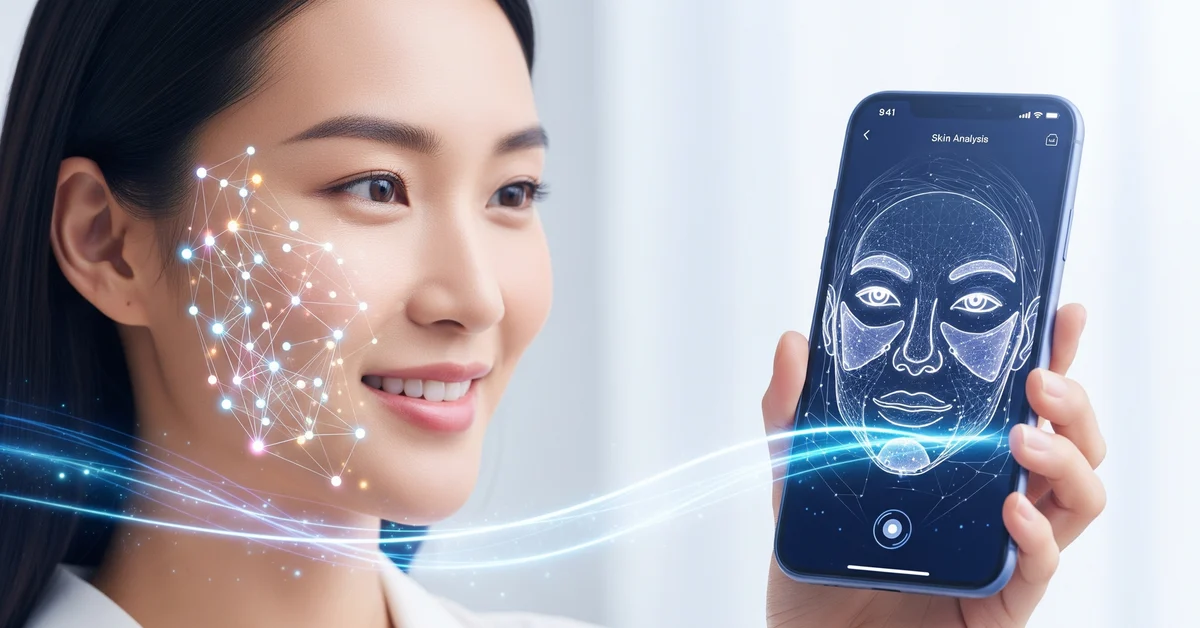
Increasing demand for integration of AI into core skincare workflows where traditional static recommendation systems are evolving into continuous skin intelligence platforms. These systems combine with imaging data, biometric inputs and behavioral insights to deliver adaptive skincare recommendations that evolve with changing skin conditions over time.
Clinical-Driven Personalization Reshaping Skincare Delivery Models
The major driver of market expansion is the increasing need for precision-based skincare solutions because those are capable for addressing highly individualized skin conditions. Advances in AI-powered platforms are being widely adopted in dermatology clinics with telehealth systems and consumer beauty applications to improve diagnostic accuracy and personalization.
Key capabilities include:
• Real-time skin condition analysis using advanced imaging systems
• Personalized skincare routines based on environmental and lifestyle data
• Predictive detection of acne, pigmentation, and aging-related changes
• Integration into dermatology workflows for clinical decision support.
This contributes for gained positioning within the AI skincare solutions as hybrid clinical-consumer technologies to filled bridging medical dermatology with everyday skincare usage.
Technology Advancements Enabling Predictive Skin Intelligence
Rapidly improving progress in technologies which reshaping how skincare solutions are developed and delivered. AI models are becoming more sophisticated enabling predictive and adaptive capabilities at scale.
Key innovations include:
- Multimodal imaging combining visual, thermal, and biometric data
- Diffusion-based modeling for skin condition simulation and forecasting
- Federated learning systems ensuring privacy-preserving personalization
- AI-driven formulation engines generating optimized skincare products
These advancements lead to shift toward adaptive skincare ecosystems where recommendations continuously evolve based on real-time data inputs.
Software-Led Market with Expanding Smart Device Ecosystem
Software is continuous capturing largest portion and it accounting for more than 52% market share because widespread adoption of AI-powered skin analysis platforms also recommendation engines and digital beauty tools. While devices segment is expanding rapidly with the adoption of smart skin scanners also wearable beauty devices and at-home diagnostic tools.
This convergence of software and hardware is enhancing continuous skin tracking for improving diagnostic accuracy and enabling deeper consumer engagement across digital platforms.
Operational and Regulatory Constraints Impacting Scaling
Despite strong growth momentum but still several structural challenges face which limiting large-scale deployment of AI in skincare systems.
- High costs of clinical validation and regulatory compliance
- Limited availability of diverse and high-quality skin datasets
- Data privacy and biometric protection regulations
- Integration complexity with legacy healthcare and retail systems
Many companies are address these challenges related to the adopting hybrid AI deployment models combining cloud and edge computing along with localized data strategies to improve compliance and scalability.
Regional Expansion Driven by Digital Adoption and Policy Support
North America captures largest share almost 38% through the provide strong financial support to AI innovation ecosystems and high consumer spending on advanced skincare technologies. In Asia-Pacific is emerging region nowadays leading growth due to rapid digital adoption with expanding e-commerce platforms and increasing demand for personalized beauty solutions.
While Europe is creating broad marketplace for adapt these advancing technologies through strict regulatory frameworks continuous promoting to the clinically validated AI applications, In the Middle East and Latin America are witnessing for growth which driven through the luxury beauty retail expansion and digital skincare transformation initiatives.
Competitive Strategies Focused on Ecosystem Control
The market is moderately consolidated, with leading companies shifted their focus on building integrated ecosystems rather than standalone products. They trying to make strong strategic which emphasis is placed on proprietary AI models with dermatology partnerships and immersive consumer engagement platforms.
Top Industry Players:
• L’Oréal
• Perfect Corp.
• Samsung
• Procter & Gamble
• Beiersdorf AG
These companies are strengthening their positions through offered AI-driven diagnostics with computational chemistry integration and API-based personalization systems enabling faster innovation and deeper consumer engagement.
Shift Toward Autonomous Skin Intelligence and Closed-Loop Skincare Systems
The industry is moving toward adapt autonomous AI systems is capable for continuous skin monitoring which must be supportive to predictive analysis and automated skincare recommendations. Even the AI-powered digital skin models are enabling long-term simulation of skin behavior allowing proactive treatment planning.
At the same time in emerging on-demand formulation systems are directly linking with diagnostics also product creation is enabling highly personalized skincare delivery at scale. This is transforming the skincare value chain into a closed-loop intelligent ecosystem driven by continuous data feedback.