Breathing Easy Indoors—A Growing Global Priority:
Did you know we spend over 90% of our time indoors, with indoor air being 2–5 times more polluted than outdoor air? With improving health awareness and a trend toward smarter, digitally connected workplaces, Indoor Air Quality Monitoring Systems are witnessing unprecedented demand. From homes and offices to hospitals and factories, even to commercial buildings, indoor air is no longer taken for granted: it’s being monitored, optimized, and transformed.
Understanding the Industry Landscape:
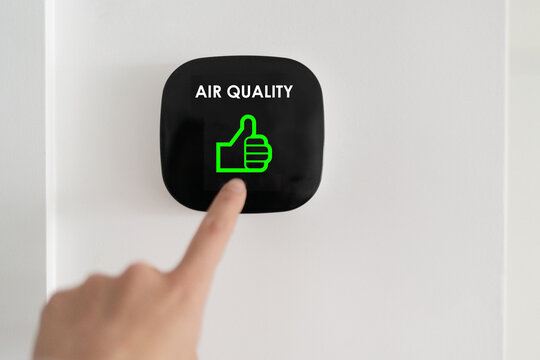
Indoor air quality monitoring systems are seeing strong growth amidst rising health awareness, rapid urbanization, and increasing regulatory pressure. These systems monitor various pollutants like CO₂, PM2.5, PM10, VOCs, humidity levels, and temperature to ensure healthy and efficiently controlled indoor environments. As the market is shifting to smart automation of buildings, IAQMS is becoming a necessity rather than an optional upgrade.
Key Market Drivers:
1. Increased Health Awareness & Respiratory Problems
The demand for air quality sensors is increasing as more people and businesses seek devices that can help reduce the instances of illness, fatigue, and cognitive decline associated with poor indoor air. Many schools, hospitals, and corporates today invest in continuous monitoring solutions.
2. Smart Building Integration
IoT, AI-based automation, and cloud analytics have thus shaped the industry of IAQMS. Predictive maintenance, real-time alerting, and energy-efficient ventilation management have become possible with these systems, thereby increasing their demand in smart commercial buildings and industrial settings.
3. Government Regulations & Green Certifications
Global regulations such as ASHRAE standards, LEED certification, and Workplace Safety Acts are forcing organizations toward advanced monitoring systems. Green building initiatives and carbon-emission reduction goals further accelerate market adoption.
4. Urbanization & Indoor Pollution
The rapid construction, low natural ventilation, and increased use of chemical-based products have deteriorated the indoor air quality, and this may trigger the large-scale adoption of IAQMS in residential complexes and corporate hubs.
Market Outlook & Growth Potential
Analysts expect double-digit CAGR in the coming years due to rapid growth in the IAQMS industry, catalyzed by increasing R&D investment, further expansion of smart cities, and the post-COVID shift toward healthier indoor environments.
Key growth areas include:
Indoor sensors for smart homes.
Cloud-based commercial air monitoring networks
Portable, wearable air quality devices
Industrial-grade IAQ monitoring for manufacturing and pharma
Monitoring-as-a-service subscription models
Major Companies Leading Innovation
Market leaders are driving technological progress at this moment with high-precision sensors, AI analytics, and wireless connectivity.
Notable companies include:
Honeywell
Siemens AG
Thermo Fisher Scientific
Aeroqual
TSI Incorporated
IQAir
Awair Kaiterra