Introduction:
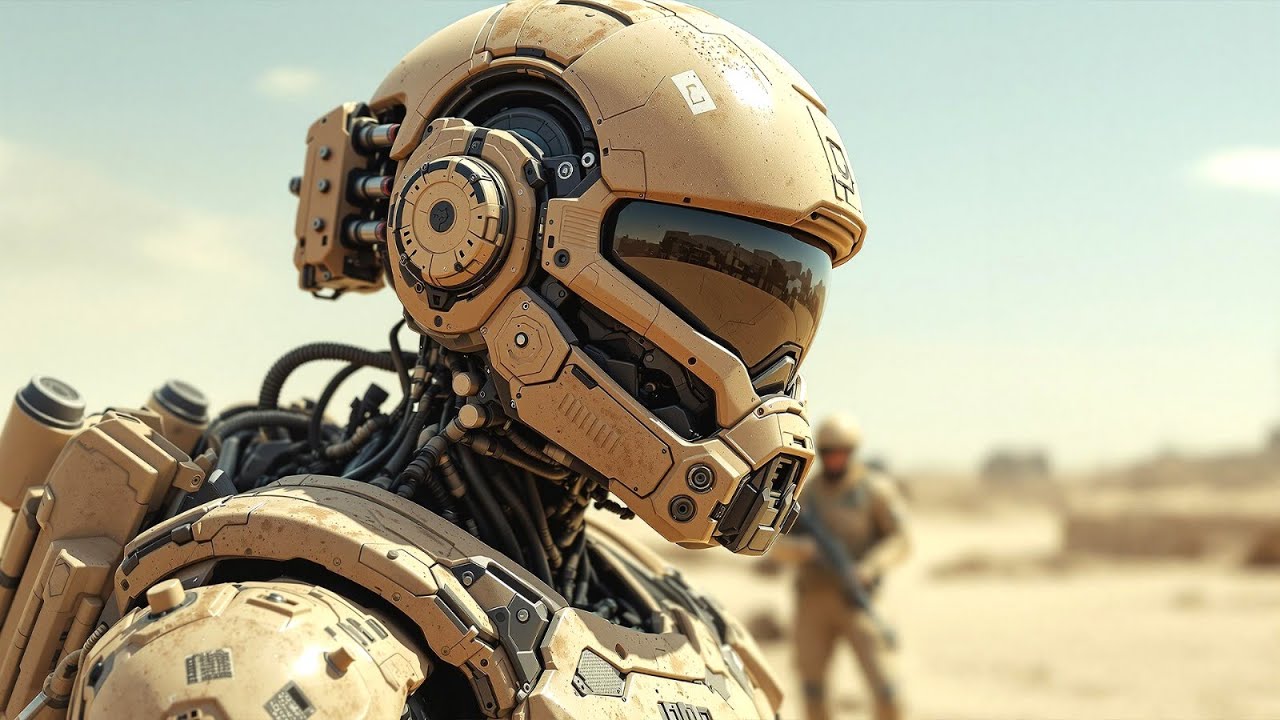
The future of defense is being rewritten, and it’s autonomous. Around the world, militaries are rapidly deploying robotics and autonomous systems to enhance mission capabilities, reduce human casualties, and increase operational precision. From AI-driven drones patrolling borders to unmanned ground vehicles clearing mines and delivering supplies, the integration of robotics into defense is no longer a futuristic concept; it’s today’s reality.
In a world of growing defense budgets and changing global tensions, exponential growth is expected for the Military Robotics & Autonomous Systems Market, driven by technological breakthroughs in areas such as AI, sensor fusion, edge computing, and autonomy.
Overview of the Market:
Military robotics have become a critical component in modern warfare and defense logistics. They serve across land, air, and sea domains-with the ability to operate independently or alongside human forces.
Industry insights indicate that the global Military Robotics & Autonomous Systems market is set to cross USD 30 billion by 2030, growing at a CAGR of more than 12%, driven by increasing development in AI-based decision-making, autonomous navigation systems, and real-time battlefield analytics.
Key defense agencies like DARPA (U.S.), BAE Systems, Northrop Grumman, and Thales Group are heavily investing in the development of next-generation unmanned systems, transforming offensive and defensive strategies globally.
Key Market Trends:
1. AI Integration and Autonomy
AI is the backbone of next-generation military robotics. Machine learning algorithms are enabling robots to make complex battlefield decisions-from identifying threats to executing missions with minimum human oversight.
2. Unmanned Combat Vehicles (UCVs)
Robotic tanks, drones, and underwater vehicles are becoming increasingly autonomous, providing tactical support, surveillance, and even offense with minimal risk to personnel.
3. Swarm robotics
Swarm robotics, inspired by nature, enables large-scale missions to be achieved — from reconnaissance to area domination — with coordinated groups of autonomous drones or bots that offer agility and resilience in combat.
4. Human-Machine Teaming
Military operations in the future will feature collaboration between humans and robots. RAS units are designed to assist soldiers, not replace them, merging human intuition with robotic precision.
5. Defense Modernization Initiatives
Nations around North America, Europe, and Asia-Pacific are scaling up autonomous defense programs for better border security, counter-terrorism operations, and intelligence gathering.
Market Share & Major Players:
The competitive landscape in military robotics is dominated by leading defense manufacturers, including:
• Lockheed Martin Corporation
• BAE Systems plc
• Northrop Grumman Corporation
• Thales Group
• Elbit Systems Ltd.
• General Dynamics Corporation
Emerging startups in AI-driven defense automation are also drawing significant interest from investors, signaling a wave of innovation and collaboration between defense contractors and tech firms.