Denial Highlights Fragile Communication and Uncertain Negotiation Outlook
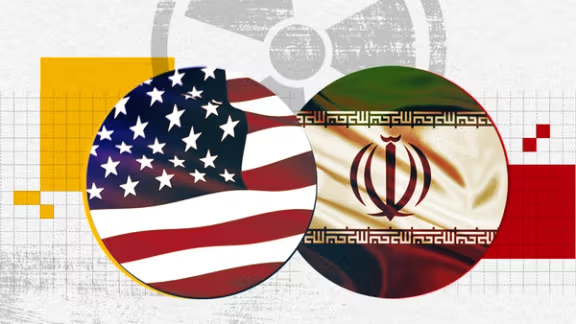
In a surging recent geopolitical development and Iran has firmly rejected media reports they are suggesting that it had agreed to participate in a second round of peace negotiations with the United States. They are officials clarified that no such agreement has been reached for emphasizing that discussions around future engagement remain uncertain and highly conditional.
These reports had initially sparked speculation about a possible revival of diplomatic dialogue between the two nations which particularly amid ongoing global concerns around nuclear policy and regional stability. Iran’s has prompt to denial reflects its cautious stance and underscores the complexity of reinitiating formal negotiations after prolonged tensions.
- Iran rejects claims of agreeing to new peace talks
- Officials clarify no confirmed diplomatic engagement
- Speculation around negotiations remains unresolved
This response directly suggests that any progress toward renewed dialogue is still at an early and uncertain stage.
Persistent Strategic Differences Continue to Delay Engagement
These strained relationship between Iran and the United States has continues to be shaped through the deep-rooted disagreements which particularly concerning nuclear development eve sanctions and regional influence. Amid these periodic signals of openness to dialogue both sides have yet to align on key conditions required to restart meaningful negotiations.
During these difficult phase Iran has consistently emphasized the need for tangible commitments before entering formal talks. Even United States continues to push for compliance with international frameworks. This divergence in expectations remains a major barrier to diplomatic progress.
• Nuclear policy remains a key point of contention
• Sanctions and compliance issues still unresolved
• Both countries maintain cautious negotiation positions.
These ongoing challenges clearly highlight why diplomatic breakthroughs have been difficult to achieve.
Information Sensitivity Drives Swift Clarification
These create emergence of unverified reports regarding to the establish peace talks which demonstrates how sensitive geopolitical developments can quickly influence global perceptions. While Iran’s take swift denial that appears their aimed at controlling the narrative and preventing misinformation from shaping international expectations.
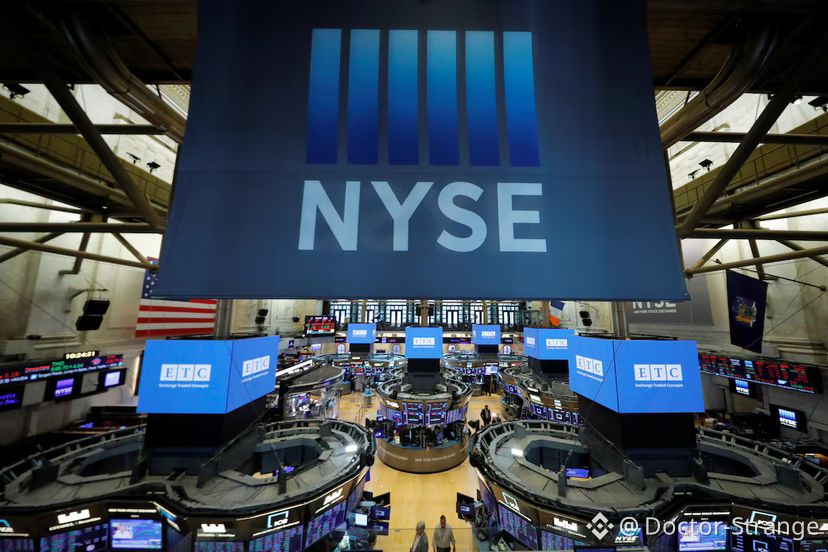
During this scenario which provide clarity is essential as even preliminary news about negotiations between major geopolitical players can impact global markets with energy prices and policy discussions. Even this accurate communication has played a critical role in maintaining stability in such situations.
• Rapid response helps limit misinformation
• Global markets react to geopolitical signals
• Diplomatic clarity reduces unnecessary speculation.
This incident unintentionally but reinforces the importance of verified information in international relations.
Regional Implications Add to Strategic Complexity
These developments rapidly involving Iran and the United States are closely monitored across the Middle East. Its shifts in diplomatic relations can influence security with alliances and economic activity. Iran’s current stance indicates that it is prioritizing strategic positioning while evaluating both internal and external factors.
The absence of confirmed talks may also affect the regional confidence which regarding the potential de-escalation efforts. As a result, the neighbouring countries and global stakeholders remain cautious in interpreting future developments.
- Middle East nations closely observing developments
- Strategic alliances influenced by US-Iran relations
- Regional stability linked to diplomatic progress
These factors add another layer of complexity to an already sensitive geopolitical environment.
Outlook Remains Unclear Amid Ongoing Diplomatic Caution
Within these matters no official confirmation of upcoming negotiations but the path forward remains uncertain. Iran and the United States appear to be maintaining a measured approach which is possibly relying on indirect channels or third-party mediation to manage tensions.
In the futures engagement will likely depend on addressing core concerns including trust deficits and policy disagreements. Until then the expectations for immediate diplomatic breakthroughs remain limited.
• No clear timeline for future discussions
• Indirect communication channels may continue
• Trust-building remains a critical challenge
In short, the Iran’s has directly rejection of reports about renewed peace talks which underscores the cautious and complex nature of current diplomatic dynamics. Its attract the global attention which remains fixed on these developments so the situation continues to evolve with significant implications for regional and international stability.