Circular Economy Expansion and Advanced Metal Recovery Technologies Driving Market Growth
The metal recycling industry is gaining strong momentum due to rising demand for adapt sustainable raw materials even increasing pressure on primary metal mining and rapid expansion of circular economy frameworks across global manufacturing ecosystems. Metal recycling has become a critical component within the market with reducing carbon emissions provide support to lowering production costs and improving material security across industries such as automotive, construction, electronics, and energy. According to the latest strategic industry outlook by Stalwart Research Insights they clearly mention that, the market is gained USD 919.40 Bn in 2025 and is projected to reach USD 1,360.94 Bn by 2035 with registering a CAGR of approximately 4.0% during the forecast period.
The main drivers behind this expansion include rising EV production, increasing e-waste generation, and tightening environmental regulations that are forcing industries to shift from virgin metal extraction to recycled metal inputs. The growing strong focus on developed energy efficiency and decarbonization is further accelerating adoption of secondary metals in industrial production cycles.
- Rising EV production and lightweight material demand
- Increasing e-waste and industrial scrap generation
- Strict global carbon reduction and recycling regulations
These factors are significantly increasing high demand for metal recycling systems with improving material recovery efficiency for reducing dependency on raw ore extraction and enhancing sustainability across industrial supply chains.
AI-Driven Sorting Systems and Advanced Recycling Technologies Transforming Recovery Efficiency
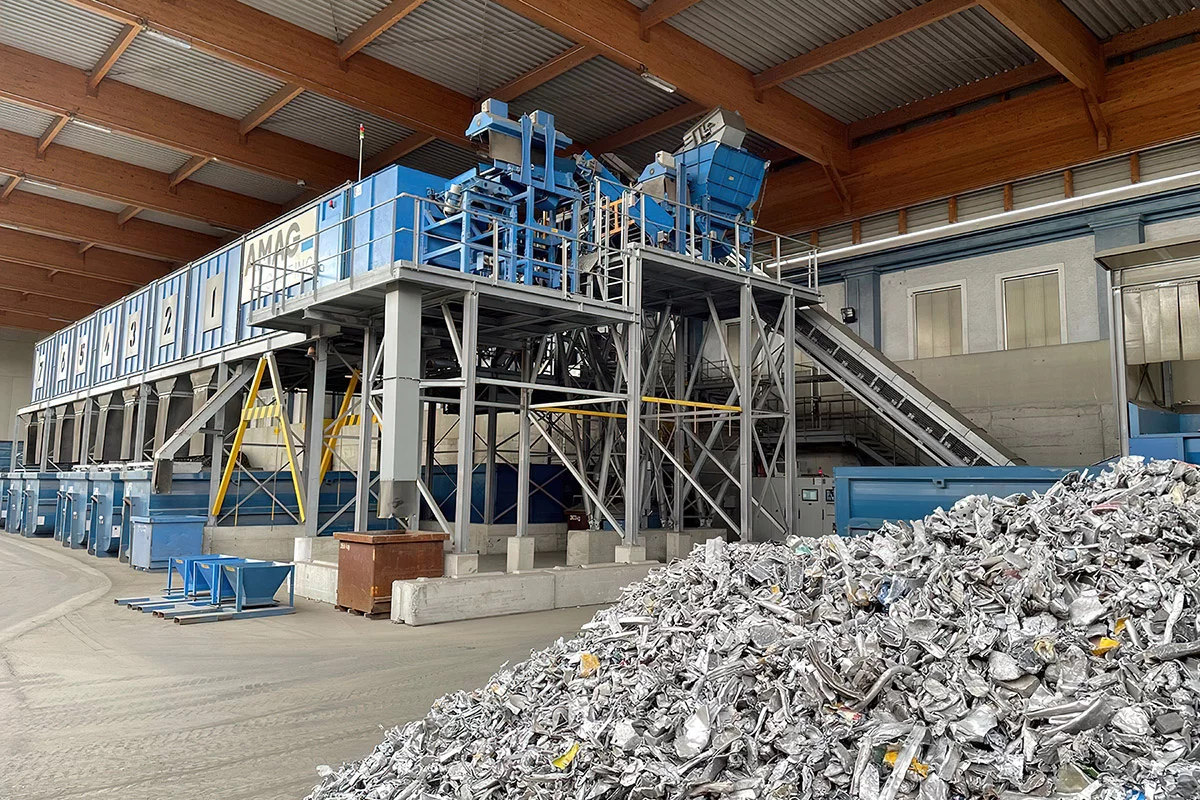
In a modern metal recycling technologies is rapidly evolving with expand the integration of AI-based sorting systems with robotics-assisted processing and advanced metallurgical recovery technologies. It has involved recent Innovations such as high-precision eddy current separators, automated optical sorting, and sensor-based material identification systems are improving purity levels and recovery efficiency for both ferrous and non-ferrous metals.
Electric arc furnace (EAF) adoption is also increasing globally as steel producers shift toward scrap-based production models to reduce carbon intensity. Hydrometallurgical and low-emission recovery processes are enabling extraction of high-value metals from complex waste streams such as electronics and batteries.
• AI-based sorting and robotic dismantling systems
• Expansion of electric arc furnace (EAF) steel production
• Advanced hydrometallurgical metal recovery technologies.
These advancements are enabling for offered higher recovery rates with improved metal purity and reduced operational energy consumption for making recycling more economically and environmentally efficient.
High Capital Costs and Scrap Supply Chain Volatility Limiting Expansion
Despite strong growth prospects but the industry has continuous facing many challenges those related to high initial investment requirements for advanced recycling infrastructure and inconsistent scrap metal supply availability. Even these is supportive to setting up automated sorting facilities with EAF plants and advanced chemical recovery systems are requires significant capital expenditure with limiting adoption in developing economies.
Expanding fluctuations within the scrap metal availability that influenced by industrial cycles and consumer waste generation and it create supply chain instability also leading restrictions across the cross-border for scrap exports in some regions further disrupt global recycling flows.
• High infrastructure and technology investment costs
• Volatility in scrap metal availability and pricing
• Trade restrictions and export limitations on scrap materials.
These constraints are driving growth so many companies trying to develop their localized recycling hubs which supportive to long-term scrap procurement contracts and integrated digital scrap tracking systems to stabilize supply chains.
Expanding Applications Across Automotive, Construction, and Electronics Industries
Increasing requirements for adapt metal recycling across high-growth industries which particularly in EV manufacturing, renewable energy infrastructure and construction. The manufactures within the Automotive sectors that fully rely on recycled aluminum and steel for lightweight vehicle production, while construction industries use recycled steel for structural applications and in an Electronics sectors, recycling is also expanding due to rising e-waste volumes globally.
- Automotive lightweight material and EV manufacturing
- Construction steel and structural material reuse
- Electronics and battery recycling expansion.
This widespread adoption clearly highlights the growing importance of secondary metals in achieving sustainability targets and reducing dependence on primary mining operations.
Key Players Advancing Digital Recycling and Circular Supply Chains
The metal recycling market is moderately consolidated, with leading players shifting their preferences to build strategies that would be supportive to how sustained during the uncertainty within the market. Many companies focusing on offered automation, AI integration, and vertical supply chain integration due to they ready for investing in smart recycling plants, digital scrap tracking systems and energy-efficient processing technologies to enhance competitiveness.
Top Industry Players:
• Novelis
• Schnitzer Steel Industries
• Nucor Corporation
• Aurubis
• Tata Steel
These companies are strengthening their global recycling networks through automation, energy-efficient furnaces and advanced sorting technologies to improve recovery rates and reduce carbon footprints.
Next-Generation Circular Economy and Urban Mining Opportunities
The future of the metal recycling industry is strongly aligned with circular economy expansion also urban mining and digital waste management systems. Shifting focus on recovering critical metals from electronic waste, EV batteries and industrial scrap is creating new high-value revenue streams in the coming year.
The integration of AI-driven material flow tracking which high demand for blockchain-based scrap traceability and smart recycling logistics are improving transparency and efficiency across global supply chains. Rising need for critical minerals such as lithium, nickel, and cobalt is also accelerating investment in advanced recovery technologies.
- Urban mining from e-waste and battery recycling
- AI-enabled scrap tracking and circular logistics systems
- Recovery of critical minerals for EV and energy storage.
These developments are beneficial to captured positioning within these market as a core pillar of global industrial sustainability for ensuring long-term resource efficiency with reduced emissions and resilient material supply chains.